
A spawn run is done when the substrate is uniformly white, knitted firm enough to hold its shape, shows no uncolonized patches, and has consolidated for a few extra days past the last visible growth. Rush it and you fruit into a weak, contamination-prone substrate; wait too long and some species throw a fluffy overlay that delays pinning. Reading that window correctly is the single skill that separates a grower who gets consistent flushes from one who loses tubs to a bacterial pocket.
Colonization time swings wildly by format — a grain jar in under two weeks, a hardwood log in over a year — so “how long should it take” has no single answer without knowing what you inoculated. What does not change is the set of signs that tell you a run is genuinely finished. I read the same three things on every substrate on my bench in Sweden: color, texture, and smell. This guide puts numbers to the timing and teaches the signs.
This is a spoke off my mushroom spawn types and inoculation methods hub, and it is the skill every other technique on that hub eventually depends on.
What Is the Spawn Run?
The spawn run is the colonization phase — the stretch between inoculation and full myceliation, during which the mushroom’s mycelium grows out from the spawn and consumes the substrate. It ends when the mycelium has claimed the entire substrate and begins consolidating, at which point the grow transitions from colonization to fruiting conditions.
Everything good that happens later depends on this phase finishing cleanly. During the run, the mycelium is not just spreading — it is also out-competing every contaminant trying to establish, which is why full, dense colonization is your best defense against a grow going bad. An under-colonized substrate has open, uncolonized real estate where bacteria and mold can bloom the moment you introduce fresh-air exchange and humidity. That is the core reason you wait for a true finish rather than the first sign of white; the same principle drives the spawn-to-bulk math in my spawn-to-bulk ratio guide, where more spawn means a faster, safer run.
How Long Does Colonization Take by Format?
Colonization time depends almost entirely on the spawn format and substrate density: loose, nutritious grain colonizes in days, dense hardwood in months to years. The table below is the range I plan around, though temperature, species vigor, and inoculation rate all shift the actual timeline.
| Format / substrate | Typical colonization time | “Done” signal |
|---|---|---|
| Grain jar (rye, millet) | 10 to 16 days | All grain white, grabs into a solid mass |
| Grain-to-grain transfer | 7 to 12 days | Fully white, faster than first-gen |
| Bulk tub / monotub | 10 to 21 days | Surface fully white, side and bottom colonized |
| Supplemented fruiting block | 3 to 5 weeks | Block uniformly white, firm, knitted |
| Wood-chip bed | 4 to 10 weeks | White webbing bridging chips throughout |
| Log totem | 3 to 6 months | White across interfaces, running up sides |
| Drilled / plug log | 6 to 18 months | Cut ends white, bark loosening |
| Inoculated stump | 1 to 2 years | White in face, first primordia at junctions |
Use these as planning ranges, not stopwatches. A grain jar run at a warm, stable 24°C colonizes faster than one on a cool windowsill, and a vigorous oyster culture outruns a fussy strain of the same species. The formats and where each is used are laid out across the hub — grain in the grain spawn and culture lab guide, the wood formats in plug spawn, the totem method, stump inoculation, and the wood-chip bed. Cornell Small Farms Program and Penn State Extension both publish log colonization figures in this multi-month-to-year range, which is why patience is non-negotiable with wood.
What Does Fully Colonized Mycelium Look Like?
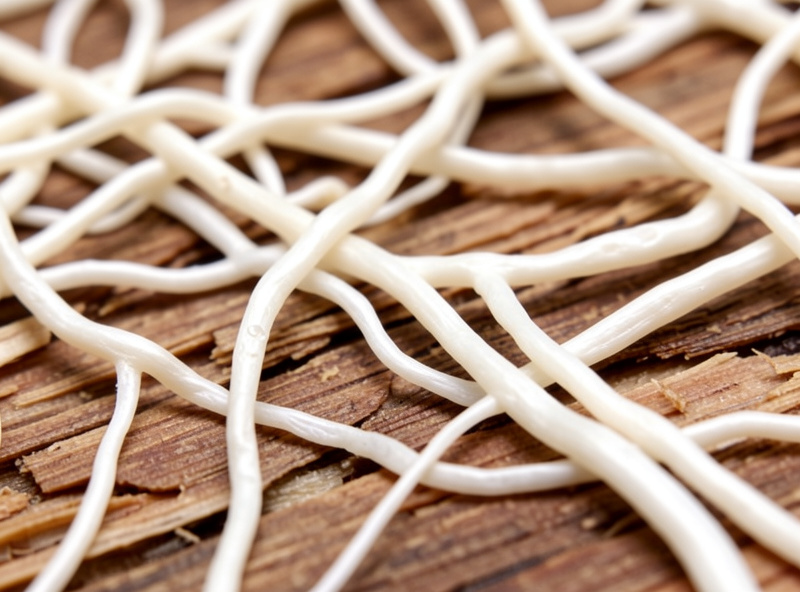
Fully colonized mycelium is uniformly bright white, dense, and knitted firm, with no visible patches of bare substrate and no discoloration. On grain it binds the berries into a solid mass; on a block or log it consolidates into a firm, cohesive whole. That uniform, confident white — reaching, not patchy — is the primary “done” signal across every format.
Learn to read the texture, because there are two healthy kinds. Rhizomorphic mycelium grows in ropey, reaching strands and tends to pin aggressively; tomentose (fluffy, cottony) mycelium is also healthy but more diffuse. Both are fine — what you are ruling out is anything green, blue-green, black, slimy, or grayish and wispy. If you cannot yet tell healthy rhizomorphic growth from a cobweb-mold look-alike, study my photo-based what does mycelium look like guide before you trust your own eye, and cross-reference anything suspect against the mushroom contamination guide. On a fully run grain jar I give it a firm shake — done grain “grabs” and holds as a solid puck instead of rattling loose, and that tactile test has never lied to me.
How Do You Know When to Move to Fruiting?
Move to fruiting once the substrate is 100 percent colonized and has consolidated for a few extra days — not at the first moment the surface looks white. That short consolidation lets the mycelium finish claiming the interior and often produces the first hyphal knots or pins, the surest sign the substrate is ready to fruit rather than still colonizing.
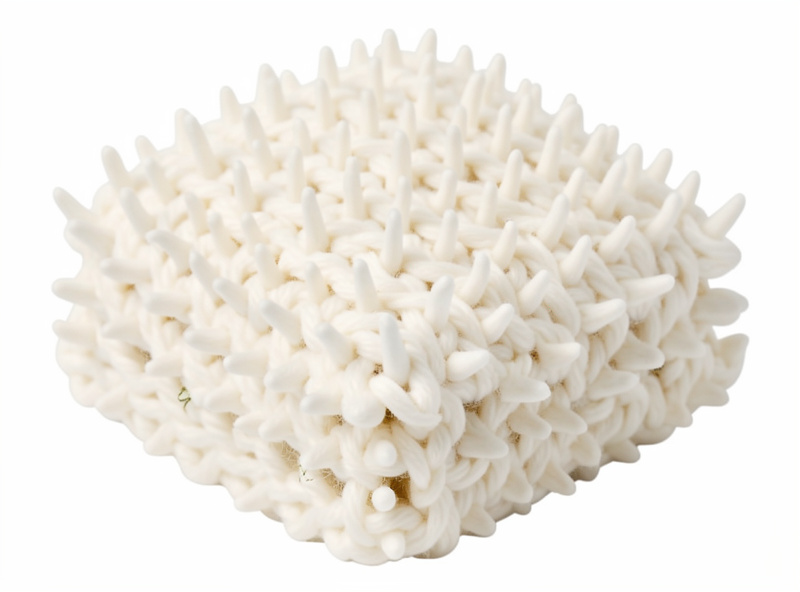
The trap is the surface that looks done before the inside is. A monotub can show a fully white top while the bottom corners and the deeper substrate are still uncolonized, and those pockets are exactly where a grow goes wrong. Check the sides and, where you can, the bottom of the container; wait for white everywhere, then give it two to five more days. Some growers watch for the substrate to just begin knotting up into primordia as the green light. One caution: on grain and some bulk grows, leaving a fully colonized substrate too long with no fresh-air exchange can trigger an overlay — a dense, fluffy mycelial mat that actually resists pinning. Full colonization plus a brief consolidation is the window; weeks of extra waiting is not better.
What Colonization Mistakes Cost the Most?
The costliest mistake is fruiting too early into an incompletely colonized substrate, which hands the open real estate to bacteria and mold the instant you raise humidity. The second is misreading a contaminant as healthy mycelium and spreading it. Both come from trusting a quick glance instead of a real inspection.
I paid for the first one personally. Early on I broke a grain jar into a monotub that looked a solid 90 percent colonized — close enough, I told myself — ignoring a dime-sized uncolonized pocket near the bottom of the jar. Within four days of introducing fresh-air exchange, that pocket bloomed into a sour, wet bacterial patch that took the whole tub with it, and the reek of it — that wet-dishrag sourness — is the smell I now associate with impatience. The lesson was simple and I have never repeated it: 100 percent colonized means 100 percent, plus a few days, before anything gets fruiting conditions. That same clean-process patience is what protects the sourdough starter and the salami curing chamber three benches over — you do not hurry a microbe, you wait for it to finish the job. Reading the run right is not a fussy nicety; it is the difference between a flush and a trash bag.
Does a Slow Spawn Run Mean Something Is Wrong?
Not necessarily — a slow run is often just cool temperatures, a low inoculation rate, or a naturally slow species or substrate. Before assuming contamination, check the temperature and remember that a dense hardwood log is supposed to take months. A run that is slow but uniformly white and clean-smelling is usually just a run that needs more time.
That said, a stalled run has real causes worth diagnosing. Too cold slows everything; too little spawn per unit substrate lengthens the run and raises contamination odds, which is the whole argument for a generous spawn rate. Dried-out substrate stops mycelium cold, especially on logs and beds that lost moisture. And a run that has genuinely stalled with no growth for weeks, or that smells sour, has usually lost to a competitor. The way to shorten a run safely is to start with more, healthier spawn — expanding vigorous grain through grain-to-grain transfer before going to bulk gives you the inoculation density that colonizes fast and clean. When in doubt, read color and smell before you read the calendar.
How do I know when a grain jar is fully colonized?
A grain jar is done when every berry is bound in bright white mycelium with no uncolonized patches, and it grabs into a solid mass when you shake it instead of rattling loose. This usually takes 10 to 16 days. Give it a few extra days to consolidate before breaking it into bulk substrate.
How long should colonization take?
It depends entirely on the format. A grain jar runs 10 to 16 days, a bulk tub 10 to 21 days, a fruiting block 3 to 5 weeks, a wood-chip bed 4 to 10 weeks, and a hardwood log 6 to 18 months. Temperature, species vigor, and inoculation rate all shift the actual timeline.
Should I wait after full colonization before fruiting?
Yes. Wait until the substrate is 100 percent colonized including the sides and bottom, then give it another two to five days to consolidate, often until the first pins or hyphal knots appear. Fruiting into an incompletely colonized substrate invites bacterial and mold blooms.
What does a contaminated spawn run look like?
Watch for any green, blue-green, or black patches, slimy or wet spots, a sour or foul smell, or a diffuse gray wispy growth that is cobweb mold rather than healthy reaching mycelium. Healthy mycelium is uniformly bright white and firm. When in doubt, isolate the container and compare against a contamination guide.
Why is my spawn run so slow?
Usually cool temperatures, a low inoculation rate, dried-out substrate, or simply a slow species or dense substrate like a log. A run that is slow but uniformly white and clean-smelling just needs more time. A run stalled for weeks with no growth or a sour smell has likely lost to contamination.
Related Guides
- Mushroom Spawn Types and Inoculation Methods (the hub)
- What Does Mycelium Look Like? Healthy vs Contaminated
- Mushroom Contamination: The Complete Home Grower Guide
- Grain Spawn and Culture Lab: The Complete Home Guide
- Spawn-to-Bulk Ratio: Getting the Mix Right for Monotubs
- Sawdust Spawn vs Grain Spawn: When Each One Wins
Authority references: Cornell Small Farms Program (log colonization timelines) and Penn State Extension (mushroom production colonization figures).