
The best pressure canner for mushroom cultivation is a tall 23-quart weighted-gauge stovetop model — it fits a full load of quart jars upright and holds 15 PSI mechanically, which is the pressure you need to hit roughly 121 °C and kill the bacterial endospores in grain spawn. A smaller 10-to-16-quart canner works but forces frustratingly small batches, and a squat pressure cooker often will not fit jars at all.
I sterilize every jar of grain spawn and every supplemented sawdust block I make in a large stovetop canner, and after years of doing it I have strong opinions about what to buy. The pressure canner is the foundation of the whole sterile chain — it is the tool I tell every grower to buy first once they move past pre-sterilized kits, as I lay out in the lab equipment buying guide. Here is how to choose the right one.
Why Pressure, Not Just Heat
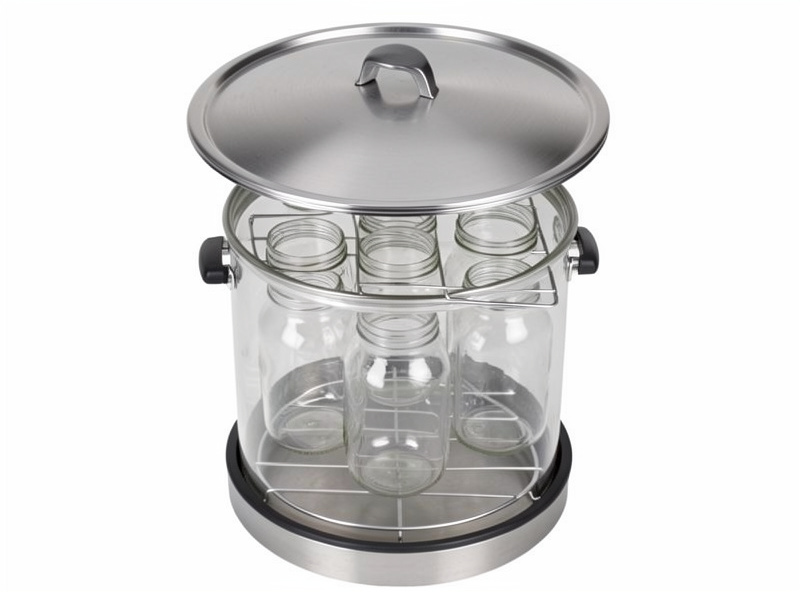
Grain and supplemented substrates carry heat-resistant bacterial endospores that survive boiling. Water boils at 100 °C, and those spores shrug it off. Only pressurized steam reaches the roughly 121 °C (250 °F) that a canner holds at 15 PSI, and that temperature sustained for the full cycle is what actually sterilizes. The 15 PSI / 240–250 °F standard for destroying heat-resistant spores is the same one the USDA-backed National Center for Home Food Preservation specifies for safe pressure processing. This is the whole reason a canner is mandatory for grain while pasteurized straw works for oyster — the difference between the two methods is exactly the difference between killing everything and merely knocking back the competition.
Get this wrong and the failure is dramatic: grain jars that looked fine at inoculation bloom with bacteria or green Trichoderma a week later because they were never truly sterile. I have thrown out enough under-processed jars to treat the canner as the single least-negotiable purchase in the lab. If you only ever buy one “serious” tool, make it this.
Size: The Decision That Matters Most
Capacity is where growers most often buy wrong. A 23-quart canner is my recommendation for anyone past their first few grows — it holds seven quart jars or a big stack of pint jars per run, so you sterilize a meaningful batch in one 90-minute cycle instead of three. A 16-quart unit is a reasonable starter if space or budget is tight, but you will feel the ceiling quickly once you are running grain and blocks together.
The single most important physical check is jar clearance: the canner must be tall enough to fit your jars upright with the lid closed. Many pressure cookers sold for the kitchen are too shallow, which is the trap that sends people back to the store. When you plan your batch sizes, think in terms of how much grain spawn you need to inoculate your bulk substrate — the weighing side of that is covered in the digital scales guide. Buy the canner one size larger than you think you need; nobody regrets the extra capacity.
Weighted Gauge vs. Dial Gauge
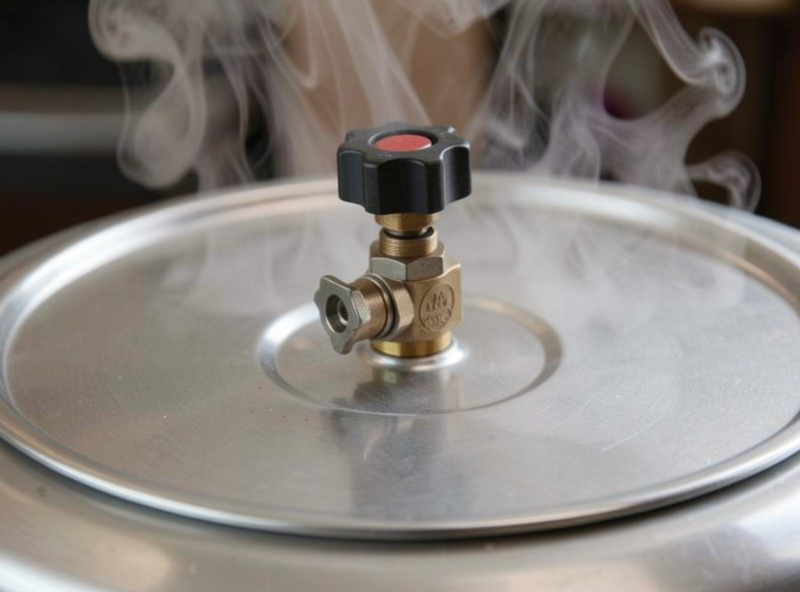
There are two ways a canner regulates pressure, and it changes how much you have to babysit it. A weighted gauge (the “jiggler”) is a calibrated weight that rocks and vents once the pot reaches 15 PSI — it holds that pressure mechanically, needs no calibration, and tells you it is working by its steady rocking. A dial gauge shows you the exact pressure on a needle, which is informative, but the gauge can drift out of calibration over time and read high, meaning your “15 PSI” run is actually lower and under-sterilized.
For mushroom work I prefer the weighted gauge because sterilization is safety-critical and I do not want to depend on an instrument that quietly drifts. If you own or inherit a dial-gauge canner, get the gauge tested periodically and consider a canner that has both a dial and a weighted regulator, so the weight backstops the dial. The point is consistency: 15 PSI, held for the full time, every single run.
Canner Sizes Compared
| Capacity | Quart jars per run | Best for | Trade-off |
|---|---|---|---|
| 10–12 qt | ~4 | Tiny grows, apartment space | Slow, batch-limited |
| 16 qt | ~5–6 | First real setup | Ceiling hits fast |
| 23 qt | ~7 | Most home growers (my pick) | Heavy, needs a strong burner |
| 30+ qt | 9+ | High-volume / many blocks | Large, long heat-up, storage |
Aluminum vs. Stainless, and the Burner Question
Most affordable large canners are aluminum, which heats fast and is lighter to lift when full — a genuine consideration when a loaded 23-quart canner is heavy. Stainless steel with a clad base is more durable and works on induction hobs, but costs more. Either sterilizes fine; the metal is a convenience-and-budget call, not a performance one.
What people forget is the heat source. A big canner full of jars and water is a large thermal load, and a weak burner may struggle to bring it up to pressure and hold it. On my stovetop I use the strongest burner and still budget time for heat-up before the timed cycle even begins. If your hob is underpowered, factor that into the size you buy — a canner you cannot bring to pressure is useless. This heat-up-then-hold rhythm is the same patience the whole grow demands, and it pairs naturally with a stable colonization setup waiting for the sterilized jars once they cool.
What I Actually Recommend Buying
If you asked me to spend your money today, I would buy a 23-quart weighted-gauge aluminum stovetop canner and never look back. It fits the jars, holds pressure without fuss, and matches the volume a serious hobby grow generates. Skip the tiny cookers, skip anything that will not fit a quart jar upright, and do not overthink the metal. To find current models, search a retailer directly rather than trusting a random link — here is a starting search for 23-quart weighted-gauge pressure canners.
As an Amazon Associate I earn from qualifying purchases.
Once the canner is sorted, the rest of the lab falls into place around it: a scale to weigh substrate, a clean-air setup for transfers, and an incubation shelf for the jars you just sterilized. The canner is the one purchase that makes everything downstream possible — buy it right and buy it once.
Frequently Asked Questions
What size pressure canner is best for mushroom cultivation?
A 23-quart canner suits most home growers. It fits about seven quart jars upright per run, so you sterilize a real batch in one cycle. A 16-quart unit works for a first setup but hits its ceiling quickly once you run grain and blocks together.
Can I use a pressure cooker instead of a pressure canner?
Only if it fits your jars upright with the lid closed and holds 15 PSI. Many kitchen pressure cookers are too shallow for quart jars, which is the common trap. A tall canner is the safer buy for grain spawn and sawdust blocks.
Is a weighted gauge or dial gauge better for sterilizing grain?
A weighted gauge is better for mushroom work because it holds 15 PSI mechanically and never needs calibration. A dial gauge can drift out of calibration and read high, meaning your run is actually under pressure and under-sterilized without you knowing.
How long do you pressure sterilize mushroom grain spawn?
Grain jars are typically processed at 15 PSI for around 90 minutes once the canner reaches full pressure, plus the heat-up and cool-down time. Larger jars and dense sawdust blocks are held longer. Always time from when full pressure is reached, not from when you light the burner.
Do I need a pressure canner if I only grow oyster mushrooms?
Not necessarily. Oyster grows well on pasteurized straw or CVG, which only needs a hot-water bath at 65 to 80 C. You need a pressure canner once you move to grain spawn or supplemented substrates like Masters Mix and sawdust fruiting blocks.