
For mushroom substrate you actually want two digital scales, not one: a larger-capacity scale reading to 1 gram for weighing kilograms of bulk substrate, and a fine 0.1-gram (or 0.01-gram) scale for supplements and agar recipes. The reason is range — a scale that comfortably weighs a 3-kilogram bag of Masters Mix cannot resolve the 2-gram gypsum addition that a fine scale reads instantly. Buying one scale to do both jobs is the mistake I see most.
Every substrate I mix is a weight ratio, and every hydration target is water weighed against dry mass, so a scale is the second thing I buy after a pressure canner. It is cheap, it is essential, and the only real decision is resolution. Here is what resolution matters where, and why two scales beat one. This sits under the broader lab equipment buying guide as one of the genuinely non-optional purchases.
Why Weight, Not Volume
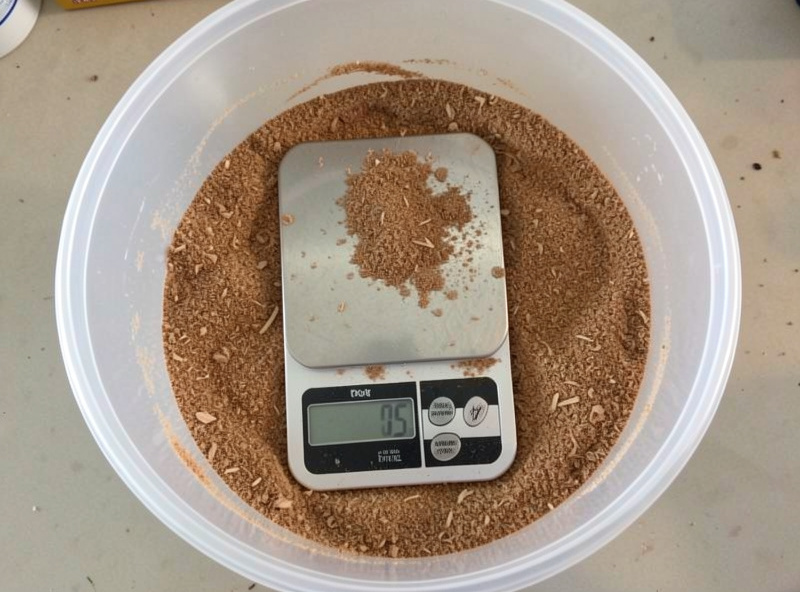
Substrate recipes are given by weight because volume lies. A cup of dry sawdust and a cup of soy hull do not weigh the same, and coir compresses differently every time you scoop it. Masters Mix is 50/50 hardwood sawdust and soy hull by dry weight; get that ratio right on a scale and the block colonizes and fruits predictably, eyeball it by volume and results wander. Weight is the only way to make a substrate repeatable batch to batch. The substrate formulations and moisture targets behind that repeatability are documented by university mushroom programs such as Penn State Extension.
Hydration is the same story. Field capacity — the sweet spot where substrate holds all the water it can without pooling — is hit by weighing water against the dry substrate mass, then adjusting. Too dry and mycelium struggles; too wet and you invite bacteria. You cannot judge that by feel reliably until you have weighed it enough times to calibrate your hands, and even then I still weigh. The scale turns hydration from guesswork into a number you can repeat.
The Bulk Scale: Capacity Over Precision
For bulk substrate you want capacity. A scale that reads up to 5 kilograms (or more) in 1-gram steps handles a full tub of CVG or a batch of Masters Mix in one weighing. Precision below a gram is pointless here — when you are weighing 3,000 grams of substrate, a single gram is a rounding error. What matters is a platform big enough to sit a mixing tub on and a capacity ceiling you will not blow past.
A flat kitchen or shipping scale with a tare function is ideal: tare the empty tub, add substrate to your target, tare again, add water to field capacity. The tare button is doing most of the work, letting you build a recipe additively without mental math. This is the scale that lives on my bench next to the mixing station, and it is genuinely inexpensive — there is no reason to overspend on the bulk scale.
The Fine Scale: Where 0.1 Gram Earns Its Place
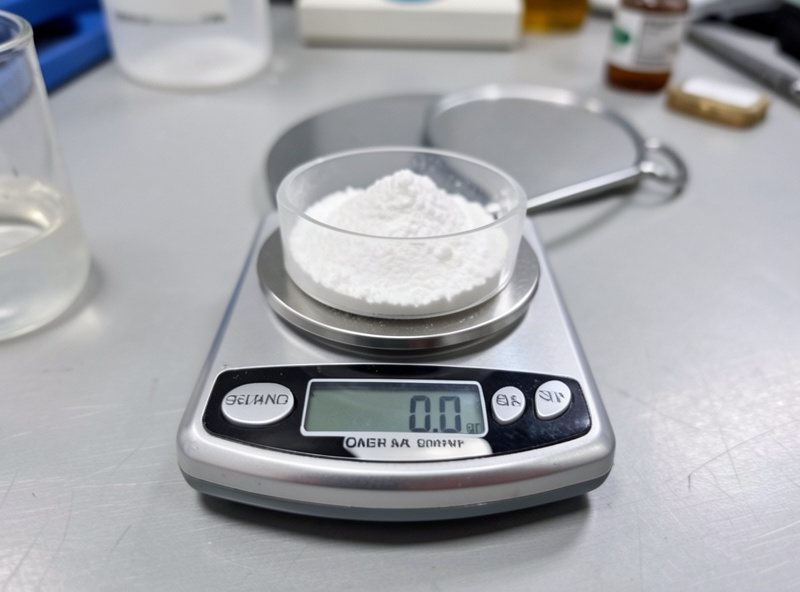
The fine scale is where small numbers matter enormously. Agar recipes are measured in grams per specific water volumes, gypsum and bran supplements are small percentages of substrate weight, and getting these wrong shifts your medium or supplementation meaningfully. A 0.1-gram scale covers agar and supplement work comfortably; a 0.01-gram scale is nice for very small agar batches but rarely essential. Either way, the point is that a coarse 1-gram bulk scale simply cannot see these quantities.
Fine scales max out at a few hundred grams, which is exactly why they cannot replace the bulk scale — the ranges barely overlap. A jeweller-style pocket scale with a calibration weight is all you need; calibrate it occasionally so the small readings stay honest, the same discipline that keeps a canner’s pressure trustworthy. Together the two scales cover the entire range from a 3-kilogram substrate batch down to a 2-gram supplement, which one scale never does well.
Resolution by Task
| Task | Typical amount | Scale resolution |
|---|---|---|
| Bulk substrate (CVG, Masters Mix) | 1–5 kg | 1 g, high capacity |
| Water to field capacity | hundreds of g–kg | 1 g, high capacity |
| Gypsum / bran supplement | grams to tens of g | 0.1 g |
| Agar powder for plates | a few grams | 0.1 g (0.01 g ideal) |
Weighing Grain and Spawn Ratios
The scale earns its place beyond substrate too. When I prep grain spawn, hydration is weighed — dry rye takes on a predictable amount of water, and weighing it before and after a soak-and-simmer stops me overshooting into the mushy, split-kernel grain that clumps and contaminates — a lesson I paid for early, when a whole run of over-soaked rye split open, went gummy, and soured in the jars before it could colonize. A kernel that is hydrated right sits at the correct field capacity for even colonization, and I only trust that by weight.
Spawn-to-substrate ratio is the same. A healthy grain-spawn rate into bulk substrate is expressed as a percentage by weight — more spawn means faster, more contamination-resistant colonization, less spawn stretches your grain further but slows things down. To make that trade-off deliberately rather than by eye, you weigh both the spawn and the substrate. The bulk scale that weighs your CVG weighs your spawn jars too, so the one purchase does double duty across the whole colonization step and pairs with the temperature control covered in the incubation guide.
Features Worth Paying For (and Ones to Ignore)
A reliable tare function is the one feature I would not compromise on — it is what makes additive recipe-building painless. A backlit display earns its keep in a dim grow space, and a calibration weight (or the ability to calibrate) matters on the fine scale. Beyond that, most “smart” features are marketing. You do not need app connectivity or nutritional databases to weigh sawdust.
What I would ignore: novelty units, built-in bowls that limit what you can weigh, and anything that trades a usable flat platform for a gimmick. Buy a plain, accurate scale with a good tare and a stable readout. The money you save skipping features goes toward the tools that actually gate your success, like the canner and a stable incubation setup. For current options, start with a search for kitchen and precision scales.
As an Amazon Associate I earn from qualifying purchases.
One practical note on longevity: substrate work is dusty and damp, so a scale with a wipeable sealed surface outlasts one with seams that trap coir dust and moisture. I keep the fine scale away from the mixing tub entirely — it lives with the agar supplies, not the substrate, because grit is what kills a precision load cell. Treat the cheap scale as a consumable and the fine scale as an instrument, and both last for years.
Two inexpensive scales, chosen for their ranges, remove a whole category of guesswork from cultivation. Recipes become repeatable, hydration becomes a number, and the batch-to-batch variation that frustrates new growers largely disappears. It is one of the cheapest, highest-return purchases on the whole gear list — and unlike the instruments further down the list, you need it from day one, as the starter gear list makes clear.
Frequently Asked Questions
What resolution digital scale do I need for mushroom substrate?
Two scales cover it: a 1-gram, high-capacity scale for kilograms of bulk substrate and water, and a 0.1-gram fine scale for gypsum, bran, and agar. A single scale rarely spans both ranges well, which is why growers buy two.
Why do mushroom substrate recipes use weight instead of volume?
Because volume is unreliable. Dry sawdust and soy hull have different densities, and coir compresses differently each scoop. Masters Mix is 50/50 by dry weight, and hydration to field capacity is water weighed against dry mass, so only weight makes a substrate repeatable.
Can one kitchen scale handle all my mushroom weighing?
Not well. A high-capacity 1-gram scale cannot resolve a 2-gram gypsum addition, and a precise 0.1-gram scale maxes out at a few hundred grams so it cannot weigh a 3-kilogram batch. The two ranges barely overlap, so most growers use both.
Do I need a 0.01-gram scale for growing mushrooms?
Rarely. A 0.1-gram scale handles supplements and most agar recipes comfortably. A 0.01-gram scale is only helpful for very small agar batches and is not essential for typical home cultivation.