
A wood-chip spawn run inoculates a bed of loose hardwood chips by layering spawn through it and letting the mycelium “run” from chip to chip until the whole bed is colonized and ready to fruit. Done once, a wine-cap bed built this way can flush every summer for years and spread a little wider each season as you top it up with fresh chips. It is the highest-reward, lowest-effort outdoor mushroom I grow — no canner, no drilling, no daily fuss.
I run a wine-cap (king stropharia) bed in the garden built exactly this way, tucked along a shaded path where it doubles as mulch and slug management. The technique is almost embarrassingly simple — soak chips, layer in spawn, water, wait — but the two decisions that make or break it are the chips you use and where you put the bed. This guide is about getting both right so the run actually spreads instead of stalling.
This is a spoke off my mushroom spawn types and inoculation methods hub. For the species care once the bed fruits, pair it with my growing wine cap mushrooms guide.
What Is a Wood-Chip Spawn Run?
A wood-chip spawn run is the process of colonizing a loose bed of hardwood chips by distributing spawn in layers and letting the mycelium spread through the whole mass over a season. Unlike a log or a stump, the substrate is loose and low-density, so the mycelium runs quickly from chip to chip, and the bed can be extended indefinitely by adding fresh chips at the colonizing edge.
The magic is that the bed is self-perpetuating. Once the mycelium has run through the chips, it keeps reaching outward into any new hardwood you give it, which is why a single inoculation can widen and produce for years — I have watched my wine-cap bed creep a foot past its original frame every summer. That “runs and spreads” behavior is the whole reason wood chips are the substrate of choice for a permanent garden patch, versus the one-and-done nature of a fruiting block. The bed also feeds your garden as spent chips break into rich compost, a crossover I lean into in companion planting with mushrooms.
Which Mushrooms Grow in a Wood-Chip Bed?
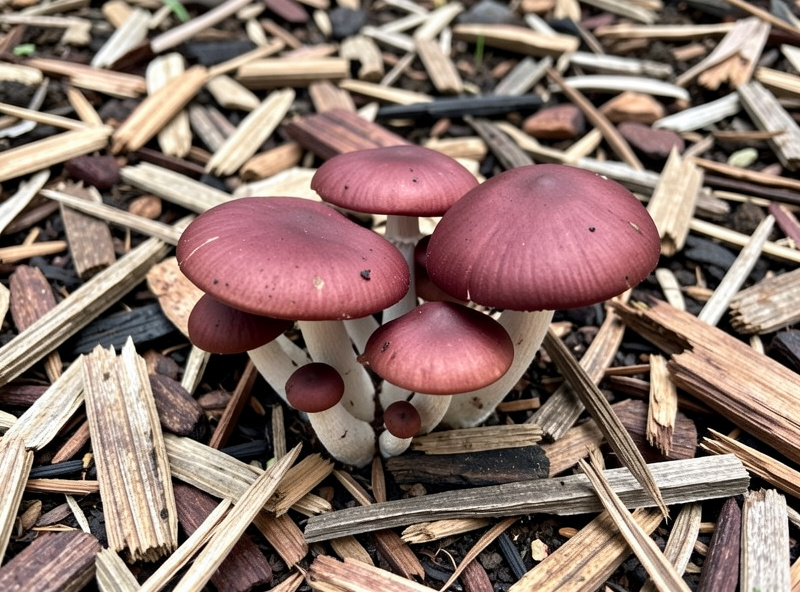
Wine cap (king stropharia) is the standard wood-chip bed mushroom, prized because it thrives on the chips most gardens can source and produces heavily in the first year. Elm oyster is a workable second choice, and some growers run oyster in chip-and-straw beds. Slow, wood-dense species meant for logs are a poor fit for a loose, fast-decomposing chip bed.
| Species | Best substrate mix | First fruiting | Notes |
|---|---|---|---|
| Wine cap (king stropharia) | Hardwood chips, chips + straw | Often first summer/fall | Best beginner bed; heavy yields |
| Elm oyster | Hardwood chips + sawdust | First season | Tolerates warmth; clustered |
| Oyster (outdoor) | Chips + straw, mulch | First season after rain | Fast but shorter-lived bed |
Wine cap earns its default status the same way oyster does indoors — it is aggressive, forgiving, and unfussy about chip source, so a beginner gets a real harvest the first year. My dedicated outdoor wine cap bed writeup covers its quirks in depth. Whatever species you pick, the spawn you use to inoculate a chip bed is sawdust or wood-chip spawn, never grain — grain sours outdoors, as I explain in sawdust spawn vs grain spawn.
What Wood Chips Should You Use?
Use fresh hardwood chips — oak, maple, beech, birch, or a mixed deciduous arborist load — and avoid conifer, cedar, and heavily aged or already-rotting chips. Hardwood provides the lignin and cellulose wine cap and elm oyster feed on, while conifer resins and cedar’s natural fungicides actively inhibit the mycelium.
This is exactly where I stumbled first. My debut wine-cap bed I built from a free arborist load I did not inspect, and it turned out to be mostly spruce and cedar prunings — the wine cap sulked all summer, threw a few weak pins, and never established a real run. That load cost me a whole season. Now I confirm the chips are deciduous hardwood before a single layer goes down, and I use fresh or recently-chipped wood rather than a pile that has been rotting in the yard for a year and is already full of wild fungi. Chip size matters too: smaller chips have more surface area and colonize faster, so a fresh, fine-to-medium hardwood chip is the sweet spot. Mixing in a little clean straw speeds early colonization, following the same pasteurized-straw logic from my straw substrate guide, though a garden bed only needs the chips soaked, not pasteurized.
How Do You Build and Inoculate the Bed?
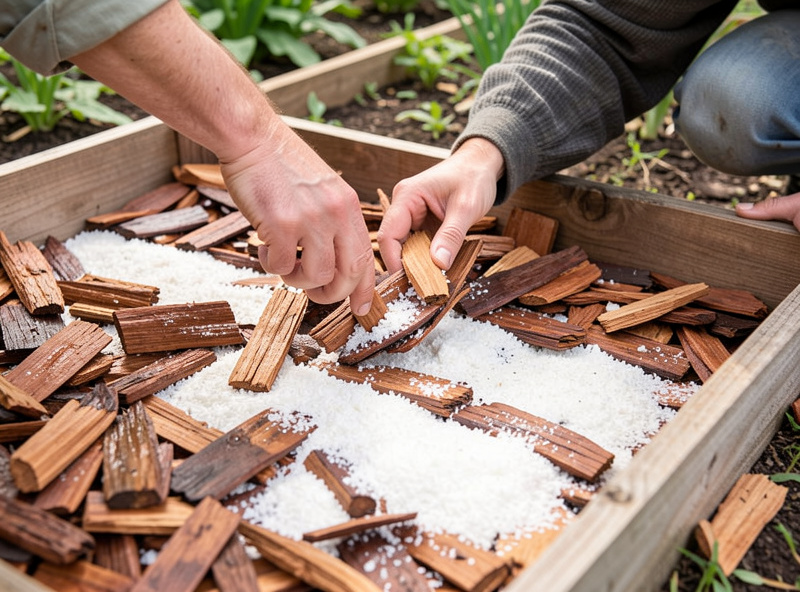
Soak the chips to field capacity, then build the bed in layers: a few inches of wet chips, a scattered layer of spawn, more chips, more spawn, finishing with chips on top, and water it all in. A shaded site, chips soaked until they drip but hold no standing water, and spawn sandwiched through the middle layers are the three things that make the run take.
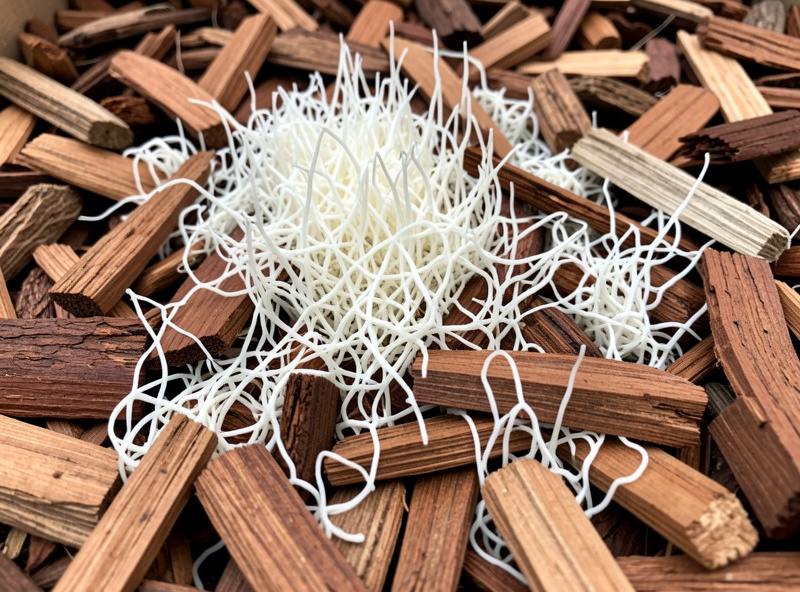
I build mine like lasagna. Lay down 2 to 3 inches of soaked chips over bare, shaded soil (soil contact lets the bed wick moisture and spread into the ground), crumble a layer of sawdust spawn across it, add another 2 to 3 inches of chips, another spawn layer, and cap with a final chip layer 4 to 6 inches deep total. Break the spawn up small so it is distributed, not clumped — more inoculation points means a faster, more even run. Then soak the whole bed and keep it damp. The soaked chips smell sweet and woody as you handle them, and within a few weeks you will see the first white mycelial ropes bridging chip to chip when you lift the top layer. Siting and framing details are in outdoor mushroom bed design. If you want to buy wine cap spawn to start a bed, a quick search for wine cap stropharia sawdust spawn will show the outdoor-grade options.
As an Amazon Associate I earn from qualifying purchases.
How Long Until the Bed Colonizes and Fruits?
A wood-chip bed usually colonizes over 4 to 10 weeks and often fruits its first summer or fall, especially wine cap, which is fast. The run spreads through the loose chips far quicker than mycelium moves through a solid log, and warm temperatures plus consistent moisture accelerate it. A flush typically follows a soaking rain once the bed is well colonized.
You will see the colonization before the mushrooms. Lift a top chip and look for the dense white webbing knitting the chips together — Cornell Small Farms Program guidance on king stropharia beds puts first-season fruiting well within reach when the bed is built on fresh hardwood and kept moist. When wine caps come, they come in a rush: burgundy-capped clusters pushing up through the mulch after a warm rain, sometimes fist-sized. Read the colonization the same way you read any spawn run, covered across formats in reading the spawn run. To keep the bed producing year after year, top it up with fresh hardwood chips each spring at the spreading edge, and mulch it heavily going into winter — my overwintering mushroom beds guide covers carrying it through the cold.
How Do You Keep the Bed Spreading Year After Year?
Keep the bed spreading by feeding its colonizing edge fresh hardwood chips every year and never letting it dry out. The mycelium will run into any new hardwood you provide, so an annual top-up of chips at the margins extends the bed outward and refreshes its food supply, turning a one-time inoculation into a permanent patch.
Think of it as feeding a living thing on the same slow schedule as the rest of the property. Each spring I rake back the spent, composting chips at the center — they go straight onto the garden beds as finished mulch — and lay fresh hardwood chips around the active, white-webbed edge. The bed marches into the new chips within weeks. That perennial, patient rhythm is the whole appeal: a wine-cap bed asks for a barrow of chips once a year and a bit of shade, and returns mushrooms and garden compost in exchange. It is the same trade of patience for harvest that runs the sourdough starter and the salami chamber indoors, just pointed at the garden path. The broad outdoor context sits in my outdoor mushroom growing guide.
What kind of wood chips work for a mushroom bed?
Use fresh hardwood chips such as oak, maple, beech, birch, or a mixed deciduous arborist load. Avoid conifer and cedar, whose resins and natural fungicides inhibit the mycelium, and avoid heavily aged or rotting chips already colonized by wild fungi. Smaller hardwood chips colonize faster.
How long does a wood-chip spawn run take to colonize?
A wood-chip bed typically colonizes over 4 to 10 weeks, much faster than a solid log because the loose chips give the mycelium a short jump from chip to chip. Warm temperatures and steady moisture speed it up, and wine cap beds often fruit their first summer or fall.
Can I use grain spawn to start a wood-chip bed?
No. Grain spawn is too nutrient-rich to survive outdoors and sours to bacteria in a garden bed. Use sawdust spawn or wood-chip spawn to inoculate a chip bed, since their lower nutrient load lets them out-compete the wild fungi present in any outdoor setting.
Do I need to pasteurize the wood chips?
No. A garden wood-chip bed only needs the chips soaked to field capacity, not pasteurized. The aggressive spawn out-competes wild organisms in the open bed. Mixing in some clean straw can speed early colonization, but full pasteurization is unnecessary for an outdoor bed.
Which mushroom is easiest to grow in a wood-chip bed?
Wine cap, also called king stropharia or garden giant, is the easiest and most productive. It thrives on common hardwood chips, tolerates beginner mistakes, and often produces heavy first-year flushes. Elm oyster is a reasonable alternative for warmer conditions.
How do I keep a wood-chip bed producing for years?
Top up the colonizing edge with fresh hardwood chips every spring and keep the bed from drying out. The mycelium runs into any new hardwood you add, extending the bed outward. Rake spent chips onto the garden as compost and mulch the bed heavily before winter.
Keep Building
- Mushroom Spawn Types and Inoculation Methods (the hub)
- Growing Wine Cap Mushrooms: The Complete Outdoor Guide
- Outdoor Wine Cap Mushroom Beds With Garden Pathways
- Inoculating a Stump: Turning a Cut Tree Into a Mushroom Patch
- Overwintering Mushroom Beds: Carry Outdoor Beds Through Winter
- Companion Planting With Mushrooms: Beds Among Your Plants
Authority references: Cornell Small Farms Program (king stropharia bed establishment and first-season fruiting) and Penn State Extension (outdoor mushroom bed substrate guidance).