
Plug spawn is the most beginner-proof way to inoculate a hardwood log: you drill a 5/16-inch hole, tap in a mycelium-colonized wooden dowel, and seal it with wax. A standard 40-inch log takes roughly 40 to 50 dowels in a diamond pattern, and once the separate colonization fronts knit together the log will fruit for 4 to 6 years. Get the hole size, spacing, and wax right and there is almost nothing left to go wrong.
I have inoculated shiitake, oyster, and turkey tail logs this way in Sweden, and dowels are what I hand anyone who wants into log cultivation without buying a pressure canner. They are slower to load than sawdust spawn — every hole is a separate hammer tap — but they are forgiving in a way loose spawn is not: a rigid, pre-colonized dowel seats cleanly, seals cleanly, and does not spill. The failure points are few and they are all about drilling and sealing, which is exactly what this guide is about.
This is a spoke off my mushroom spawn types and inoculation methods hub. If you are still deciding between dowels and loose spawn, my sawdust spawn vs grain spawn comparison covers where each format wins.
What Is Plug Spawn and How Does It Work?
Plug spawn is a birch or beech dowel that has been colonized with living mycelium, sold ready to hammer into a drilled log. The dowel acts as both the inoculation point and a food reserve: the mycelium runs out of the wooden plug into the surrounding log, spreading along the grain until the whole log is colonized and can fruit.
The reason dowels are so reliable is contact and protection in one package. A colonized dowel is a solid mass of mycelium pressed tight against fresh hardwood on all sides of the hole, so the mycelium has a large contact area and a short jump into the log. Sealing the hole with wax then locks moisture in and competitors out. Compare that to loose sawdust spawn, which colonizes a log faster but is fiddlier to pack and easier to contaminate at the hole. For a first-time log grower, dowels trade a little speed for a lot of margin — which is why every extension program starts beginners on them. The wider log workflow, from tree selection to forcing a flush, is in my mushroom log inoculation guide.
What Wood and Log Condition Do You Need?
You need fresh, live hardwood cut 2 to 6 weeks before inoculation, 3 to 8 inches in diameter and about 40 inches long. Fresh matters because a living tree’s own anti-fungal defenses fade within a few weeks of cutting, but wild fungi have not yet colonized the wood — that window is your opening to get your mycelium established first.
Species selection drives everything downstream. Oak is the gold standard for shiitake because its dense wood and thick bark hold moisture and fruit for years; maple, birch, and beech work well and colonize faster but decompose sooner. I go deep on the trade-offs in best wood for mushroom logs. Cut during dormancy — late winter to early spring, when the log carries the most stored sugars — and inoculate before the wood dries out; my seasonal timing by climate is in when to inoculate mushroom logs. Avoid conifers entirely; their resins inhibit the gourmet wood-lovers.
How Do You Drill Logs for Plug Spawn?
Drill 5/16-inch (8 mm) holes about 1 to 1.25 inches deep in a diamond pattern: holes roughly 6 inches apart down each row, with rows about 2 inches apart and offset so the pattern staggers around the log. That geometry is not decorative — it sets the colonization fronts close enough to merge before a competitor claims the end grain.
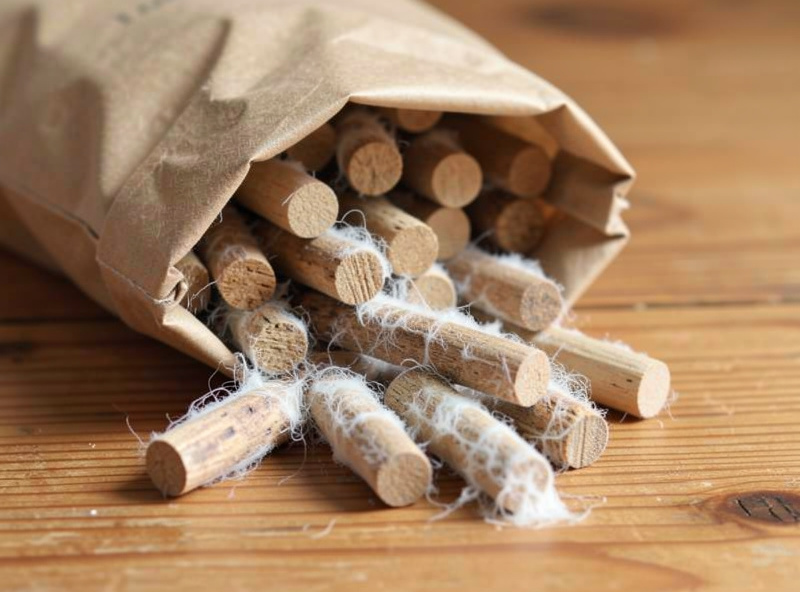
Density is set by the extension research. Penn State Extension’s shiitake production figures put a 40-inch log at roughly 40 to 50 holes, and Cornell Small Farms Program guidance lands in the same range — more holes mean faster full colonization but diminishing returns past a point. I use an angle-grinder adapter with a depth-stop collar so every hole is the same depth; a standard drill works, but a stop collar keeps you from blowing through a thin log or leaving a dowel proud. Drill the end grain a little heavier, since the cut ends are where wild fungi attack first. Wear eye protection and a dust mask — dry hardwood dust is nasty, and I learned that the itchy way on my first afternoon of logs.
How Do You Insert the Dowels?
Tap one colonized dowel into each hole with a hammer until it sits flush or just below the bark surface. It should seat snugly — a dowel that spins loose means the hole is oversized, and one that will not seat means the hole is too shallow or too tight. Flush-or-below is the target, because a proud dowel will not take wax cleanly.
Work fast and clean once the bag is open. Colonized dowels are living mycelium, and while they are far more contamination-resistant than grain, you still do not want them sitting exposed in the sun or handled with filthy hands. I keep the bag closed between handfuls, tap in a full row, then move to sealing before opening more. The dowels themselves smell faintly sweet and woody when healthy — that clean fungal smell is the same signal I read on a good grain jar or a healthy sourdough starter, the tell that the microbe I want is the one that is winning.
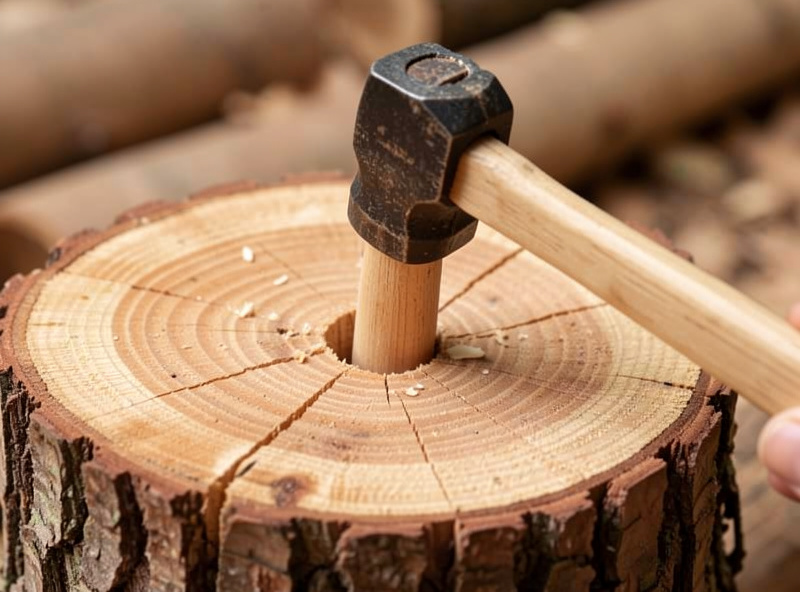
Why Does Sealing With Wax Matter So Much?
Wax seals each inoculation site against two threats at once: drying and invasion. An unsealed hole lets the log lose moisture from every drill site and gives airborne competitors a clear path straight to your fresh mycelium. A properly waxed hole holds field-capacity moisture in and keeps molds out, and it is the single step beginners most often botch.
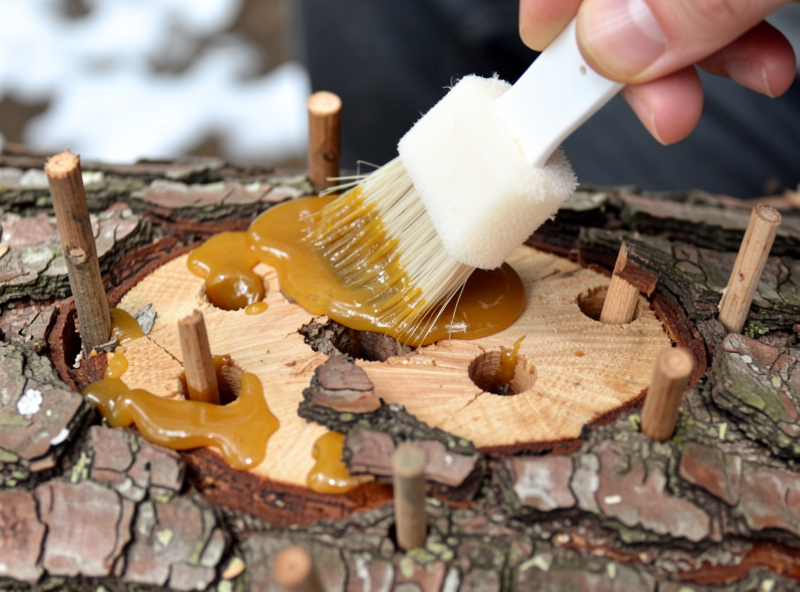
Use the right wax and keep it at the right temperature. Cheese wax, food-grade soy wax, or beeswax all bond to bark and stay flexible through freeze-thaw. What you must not use is a paraffin candle — and I say that from losing most of a winter to it. My first batch of shiitake logs I sealed with a paraffin candle melted in a tin can, and by the next spring the brittle paraffin had cracked and flaked off every hole; the dowels dried out, the run stalled, and the logs never recovered. Now I keep proper wax just molten in an old crock pot — hot enough to flow, never smoking — and dab it on with a foam dauber so it actually bonds. Seal the drilled holes and the cut ends of the log; the end grain dries fastest and needs the coating most.
Can You Make Your Own Plug Spawn Dowels?
Yes — you can make your own plug spawn by colonizing plain hardwood dowels yourself, though for most home growers buying colonized dowels is the smarter call. To make them, you soak and sterilize kiln-dried birch or beech dowels, inoculate the jar with grain spawn or a piece of colonized sawdust, and let the mycelium run through the dowels over a few weeks under sterile conditions.
Here is the honest trade-off. Making your own mushroom plug spawn dowels saves money at scale and lets you propagate a strain you already trust, but it demands the same pressure-canner sterilization and clean transfer as any grain work — dowels are dense and nutritious enough to contaminate if your technique slips. For a handful of logs, buying pre-colonized dowels of a known strain is cheaper in time and far lower risk. I make my own only when I am running enough logs to justify a full sterilization cycle, and I buy for small batches. If you want to buy dowels, a stop-collar bit, and cheese wax in one go, a quick search for mushroom plug spawn dowels and one for cheese wax for mushroom logs will turn up everything you need.
As an Amazon Associate I earn from qualifying purchases.
How Long Until an Inoculated Log Fruits?
Expect 6 to 18 months of colonization before a plug-inoculated log will fruit, depending on species, wood, and climate. Shiitake on oak typically runs 6 to 12 months before the log responds to a fruiting soak; oyster and turkey tail can be faster. The log is ready when the cut ends show white mycelium and the bark begins to loosen — not before.
Patience is the whole discipline here. During colonization, keep the logs stacked in shade, off bare ground, and let rain and the occasional soaking keep them near field capacity — a log that dries out mid-run stalls. Reading that spawn run correctly is its own skill, and I cover the visual and tactile signals in reading the spawn run. When the log finally colonizes, a cold-water shock soak triggers the first flush; my full forcing method for shiitake is in how to grow shiitake on logs, and turkey tail’s slower log timeline is in how to grow turkey tail.
What size drill bit do I need for mushroom plug spawn?
Standard mushroom dowels take a 5/16-inch (8 mm) drill bit. Drill the holes about 1 to 1.25 inches deep so the dowel seats flush or just below the bark, then tap it in and seal with wax. Using the wrong bit size leaves dowels loose or unable to seat.
How many dowels does one log need?
A standard 40-inch log about 3 to 8 inches in diameter takes roughly 40 to 50 dowels, set in a diamond pattern with holes 6 inches apart down each row and rows about 2 inches apart and offset. More holes speed full colonization; drill the end grain a little heavier since competitors attack there first.
What kind of wax should I use to seal the holes?
Use cheese wax, food-grade soy wax, or beeswax kept just molten. Do not use a paraffin candle, which turns brittle and cracks off through freeze-thaw, exposing the holes to drying and contamination. Seal the drilled holes and the cut ends of the log, since the end grain dries fastest.
Can I make my own plug spawn dowels?
Yes. Soak and sterilize kiln-dried birch or beech dowels, inoculate with grain spawn or colonized sawdust, and let mycelium run through them under sterile conditions. It saves money at scale but demands pressure-canner sterilization and clean technique, so buying pre-colonized dowels is usually smarter for small batches.
How long before a dowel-inoculated log produces mushrooms?
Expect 6 to 18 months of colonization before fruiting, depending on species and wood. Shiitake on oak usually runs 6 to 12 months. The log is ready when the cut ends show white mycelium and the bark loosens, at which point a cold-water soak can trigger the first flush.
Related Guides
- Mushroom Spawn Types and Inoculation Methods (the hub)
- Mushroom Log Inoculation Guide: Drill, Spawn, Wax, Stack
- Best Wood for Mushroom Logs: Oak, Maple, Birch Compared
- When to Inoculate Mushroom Logs: Seasonal Timing by Climate Zone
- Shiitake Log vs Block: A Side-by-Side Comparison
- Sawdust Spawn vs Grain Spawn: When Each One Wins
Authority references: Penn State Extension (shiitake log hole-count and spacing figures) and Cornell Small Farms Program (log inoculation density and colonization timelines).