
Shiitake is the species that made log cultivation famous, and for good reason: a 4-foot oak log inoculated with shiitake spawn will fruit for four to six years, often producing 1 to 2 pounds of mushrooms per year once it gets going. The catch is patience — shiitake needs a long colonize-and-brown spawn run of 9 to 18 months before that first flush, and then it rewards you with a trick no other log species does this reliably: cold-water shocking to force fruiting on demand.
I run shiitake on hardwood the same way I run my indoor blocks — long colonization, full myceliation, then a deliberate trigger. On logs that trigger is a soak, and dialing it in is what separates a log that fruits twice a year by accident from one I can flush four or more times on a schedule. Here is how I grow shiitake on logs from the right wood through forced fruiting and the rest period in between.
Why Shiitake Wants a Long, Browning Spawn Run
Shiitake (Lentinula edodes) is a white-rot fungus that colonizes slowly and then forms a protective brown mycelial skin over the log before it will fruit. That browning is the signal you are waiting for — it tells you the mycelium has fully run the wood and converted enough lignin to support fruiting. Rush a log to fruiting before it browns and you get weak pins or nothing.
In my Swedish climate the spawn run lands toward the longer end, 12 to 18 months, because cool seasons slow colonization. Warmer regions can see browning closer to 9 to 12 months. The log tells you when it is ready: bark loosening slightly, brown patches spreading across the cut ends, and a heft that still feels dense rather than dried out. The mechanics of getting spawn into the log — drill pattern, spawn type, waxing — are identical to any species and I cover them step by step in my mushroom log inoculation guide.
The Right Wood for Shiitake
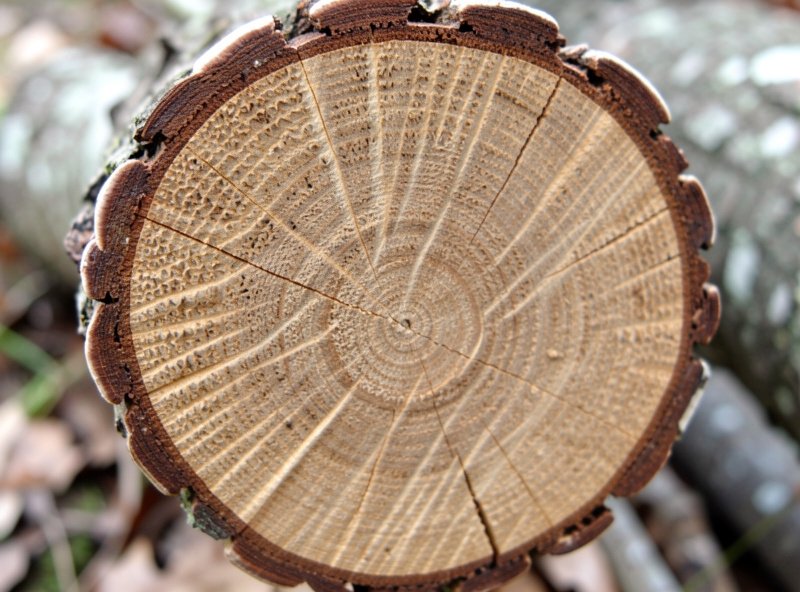
Shiitake is fussier about wood than oyster. It wants dense hardwood with thick bark that holds moisture through the long run — oak is the gold standard, with sugar maple, sweet chestnut, and hophornbeam close behind. Avoid resinous softwoods entirely and skip thin-barked species that dry out before colonization finishes. I run white and red oak almost exclusively for shiitake because the density buys margin through dry spells.
Diameter matters more for shiitake than for forgiving species: I stay in the 4 to 6 inch band so the log colonizes fully before its food reserves deplete, and cut to 3 to 4 foot lengths I can soak in a tub. The full wood-by-species comparison — which woods suit which mushrooms and why — is in my breakdown of the best wood for mushroom logs.
Forced Fruiting: The Cold-Water Shock
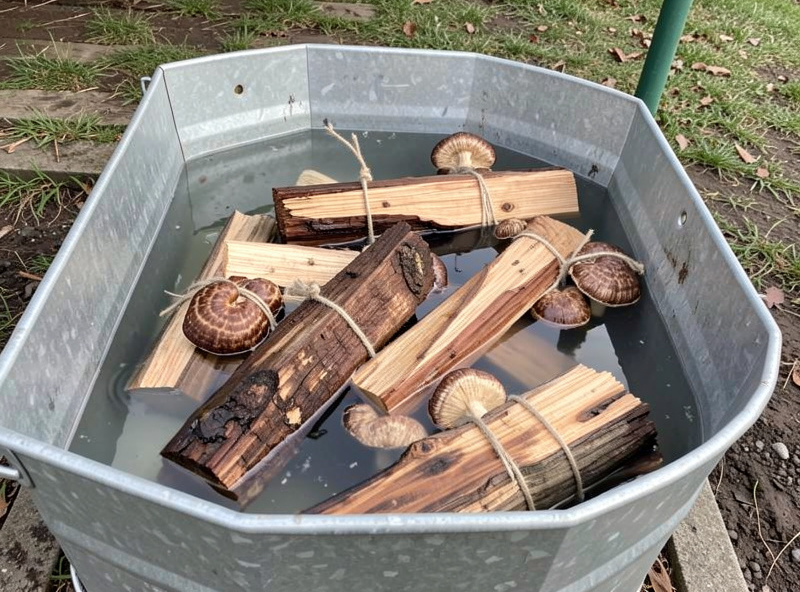
This is the part that makes shiitake on logs feel almost magical. Once a log is fully browned and ready, you can trigger a synchronized flush by shocking it — submerging the whole log in cold water for 12 to 24 hours. The sudden drop in temperature and the saturation mimics the seasonal rains and cold snaps that naturally trigger fruiting, and the log pins heavily within 3 to 7 days of coming out.
I weigh logs down in a stock tank or trash bin of cold water overnight, pull them, stand them in the shade in fruiting position, and keep humidity up. Within a week the whole log is studded with pins. The discipline is in the rest: after a flush, a log needs roughly 8 to 12 weeks to recharge its reserves before you shock it again. Shock too often and you exhaust the log; respect the rest and a single oak log gives you scheduled harvests across its whole productive life.
Where and How to Position Fruiting Logs
During the spawn run the logs live in deep shade, stacked for airflow, but for fruiting I move them to a spot with a little more indirect light and bring them upright or leaned at an angle so water sheds and pins form on the vertical faces. A laying yard under deciduous trees is ideal — dappled light, natural humidity, and protection from drying wind. I keep logs off the ground on rails throughout so they never wick soil fungi or sit in standing water, which is the fastest way to invite green Trichoderma or wood-rotting competitors into a log you have nursed for a year.
Slugs and squirrels both target fresh pins, so a fruiting stack near the house gets watched. The same clean-process instinct that runs the rest of my microbial hobbies applies outdoors: a log that suddenly shows the wrong colors or a slimy patch instead of firm shiitake caps gets isolated, not soaked back into the rotation. Reading healthy growth versus a problem is a skill I lean on constantly, and it transfers straight from the bench — the same eye I describe in my notes on telling healthy from contaminated mycelium.
Natural vs Forced Fruiting Schedules
You do not have to force at all — left alone, shiitake logs fruit naturally in spring and fall when temperature and rain line up. But forcing lets you stagger a stack so you are harvesting every few weeks instead of in two big gluts. I keep some logs on natural cycle and rotate others through the soak tank, which spreads fresh shiitake across the whole season for the kitchen.
| Factor | Natural Fruiting | Forced (Soak) Fruiting |
|---|---|---|
| Trigger | Seasonal rain + temp drop | 12 to 24 hour cold soak |
| Timing control | None — weather dependent | Full — flush on demand |
| Flushes per year | 1 to 2 | 3 to 4 with rest periods |
| Rest between flushes | Natural season gap | 8 to 12 weeks minimum |
| Effort | Low | Moderate (lifting wet logs) |
| Best for | Set-and-forget growers | Staggered, steady harvests |
Yields, Lifespan, and Realistic Expectations
A well-run oak shiitake log produces roughly 1 pound of mushrooms per pound-inch of diameter over its life, which in practice means a typical 4-foot, 5-inch log gives you somewhere around 1 to 2 pounds a year for four to six years. That is not a commercial yield, but for a backyard stack of ten or fifteen logs it is a steady supply of fresh shiitake plus plenty to dry. When the log goes punky, lightweight, and stops fruiting, it is spent — I retire it to the garden as it breaks down.
Realistic expectations are the whole game with shiitake. The long spawn run tests beginners who expect mushrooms in a few months, but the patience pays back for years. If you want faster gratification while your shiitake logs colonize, oyster on yard waste fruits in weeks — I run both, and the wider outdoor playbook is in my guide to outdoor mushroom growing. For when to cut and inoculate in the first place, my notes on when to inoculate mushroom logs by climate zone cover the seasonal timing.
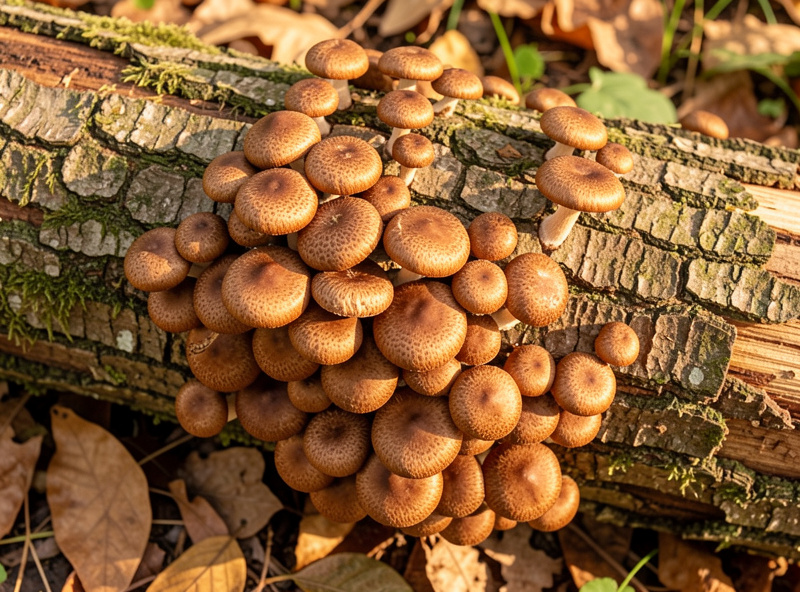
For the soak step you mostly need a tub large enough to submerge a 4-foot log; beyond that and the inoculation gear, shiitake on logs is low-equipment cultivation. As an Amazon Associate I earn from qualifying purchases. If you are buying spawn to start, shiitake plug or sawdust spawn is the one consumable you will reorder as you expand the stack.
Frequently Asked Questions
How long before shiitake logs produce mushrooms?
Shiitake needs a long spawn run of 9 to 18 months before the first flush, because it must fully colonize and form a brown mycelial skin over the log. Cooler climates run toward the longer end of that range.
How do you force shiitake logs to fruit?
Submerge a fully browned log in cold water for 12 to 24 hours, then stand it in shade at high humidity. The cold shock triggers synchronized pinning within 3 to 7 days. Rest the log 8 to 12 weeks before shocking again.
What is the best wood for growing shiitake?
Dense, thick-barked hardwoods. Oak is the gold standard, with sugar maple, sweet chestnut, and hophornbeam close behind. Avoid resinous softwoods and thin-barked species that dry out before colonization finishes.
How much shiitake does one log produce?
A typical 4-foot, 5-inch oak log yields roughly 1 to 2 pounds of shiitake per year for four to six years. A backyard stack of ten to fifteen logs gives a steady fresh supply plus extra to dry.
Can you shock a shiitake log too often?
Yes. Forcing without enough rest exhausts the log’s reserves and shortens its life. Allow at least 8 to 12 weeks between cold-water soaks so the mycelium can recharge before the next flush.
Do shiitake logs fruit without forcing?
Yes. Left alone, shiitake logs fruit naturally in spring and fall when rain and temperature align, usually one to two flushes a year. Forcing simply lets you control timing and stagger harvests across a stack.