
Grain spawn wins on speed and vigor for indoor bulk substrate; sawdust spawn wins on colonizing wood and surviving outdoors. That is the whole answer in one line — a rye jar colonizes in 10 to 16 days and explodes into a tub, while sawdust runs slower but takes to a hardwood log two to three times better than grain ever will. Everything below is the detail behind that split.
I keep both formats running on my bench in Sweden at the same time, and I have watched new growers pick the wrong one and lose a batch to it more often than any other single mistake. Someone with a pile of oak rounds tries to jam grain spawn into them and it sours to bacteria within a week. Someone growing an indoor oyster tub reaches for sawdust and colonizes half as fast as they could have. The two are not interchangeable — they are tools for different jobs.
This is a spoke off my mushroom spawn types and inoculation methods hub, and if you want the full map of every spawn format, start there. Here I am putting these two head to head.
What Is the Core Difference Between Grain and Sawdust Spawn?
The core difference is what the mycelium is already eating. Grain spawn is colonized cereal — rye, millet, or wild bird seed — a nutrient-dense carrier the fungus races across. Sawdust spawn is colonized hardwood sawdust, a lower-nutrient, lignin-rich carrier that is slower but pre-adapted to wood. Mycelium jumps fastest onto material chemically like its next meal, and that single principle predicts which format wins each job.
Grain’s nutrient density is its superpower and its weakness at once. All those starchy berries fuel explosive early growth — which is exactly why grain outruns contamination in a sterilized tub — but that same richness makes it the single most contamination-prone material in the grow room the instant it leaves a sterile environment. Sawdust carries less nitrogen and starch, so it colonizes more deliberately, but it shrugs off the wild competitors that would turn a grain slurry sour outdoors. Speed versus resilience is the trade you are making every time you choose.
Grain Spawn vs Sawdust Spawn: Side by Side
Here is the comparison I would hand a new grower deciding which to prep. Read it by your target substrate first — indoor bulk points at grain, wood points at sawdust — and let the speed and contamination columns confirm it.
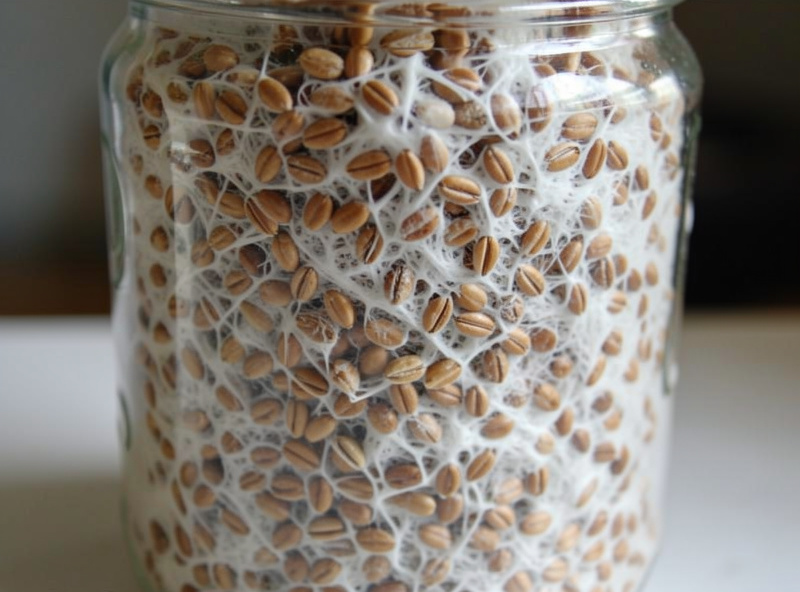
| Factor | Grain spawn | Sawdust spawn |
|---|---|---|
| Carrier material | Rye, millet, WBS | Supplemented hardwood sawdust |
| Colonization speed | Fast (10 to 16 days per jar) | Moderate (2 to 4 weeks) |
| Best target substrate | Indoor bulk: CVG, straw, blocks | Wood: logs, blocks, chips, beds |
| Contamination risk | High (nutrient-dense) | Lower, outdoor-tolerant |
| Sterilization needed | Always: pressure canner, 15 PSI | Sterilize indoors; pasteurize outdoors |
| Multiplication | Excellent (grain-to-grain) | Limited; usually one-and-done |
| Cost per unit spawn | Cheap grain, needs canner | Pellets cheap, more prep |
The row that decides most builds is “best target substrate.” If you are filling a monotub or an indoor fruiting block, grain’s speed and its easy multiplication through grain-to-grain transfer make it the obvious pick. If your destination is any form of wood, sawdust’s affinity for lignin makes it the obvious pick. The other rows just tell you how much sterile discipline and prep each demands.
When Does Grain Spawn Win?
Grain spawn wins any time the target is sterilized indoor bulk substrate and speed matters. Its high nutrient load drives the fastest colonization of any home format, and because you can multiply one jar into ten with a clean transfer, it is the cheapest way to scale spawn for tubs and blocks. For indoor oyster, lion’s mane, and king oyster, grain is the default and the right one.
The reason grain dominates indoor work is the race against contamination. In a sealed, sterilized tub, whichever organism colonizes fastest owns the substrate — and grain-fueled mycelium is a sprinter. Break a colonized rye jar into CVG at a spawn-to-bulk ratio around 1:2 to 1:4 (I work the numbers in spawn-to-bulk ratio) and the tub is consolidated before a competitor gets a foothold. My whole grain workflow — hydration, canning, jar management — is in the grain spawn and culture lab guide, with the rye-versus-millet call in grain spawn preparation.
The catch is the price of admission: grain must be pressure-canned. It is too nutritious to pasteurize — anything less than full sterilization at 15 PSI leaves surviving spores that will out-compete your mycelium. I run an All American 921 stovetop canner for exactly this reason, and I go through the times and PSI in how to sterilize grain spawn. No canner, no grain spawn — full stop.
When Does Sawdust Spawn Win?
Sawdust spawn wins any time the destination is wood — a fruiting block, a hardwood log, a stump, or an outdoor chip bed. Because the mycelium is already digesting lignin and cellulose, it colonizes wood far faster and more completely than grain, and its lower nutrient load lets it survive the messy outdoor world where grain would sour within days.
There are two practical wins here. First, colonization of the actual target: sawdust packs into drilled log holes and layers between totem rounds, and it runs into the surrounding wood with no chemical gear-shift required — Cornell Small Farms Program spawn guidance is clear that a wood-adapted spawn establishes on a log more reliably than grain. Second, resilience: outdoors you are not sterilizing, you are only asking your spawn to out-compete slower wild fungi, and low-nitrogen sawdust does that where rich grain cannot. I make mine from a Masters Mix base for indoor blocks and drop to plainer supplemented sawdust for rugged log and bed work.
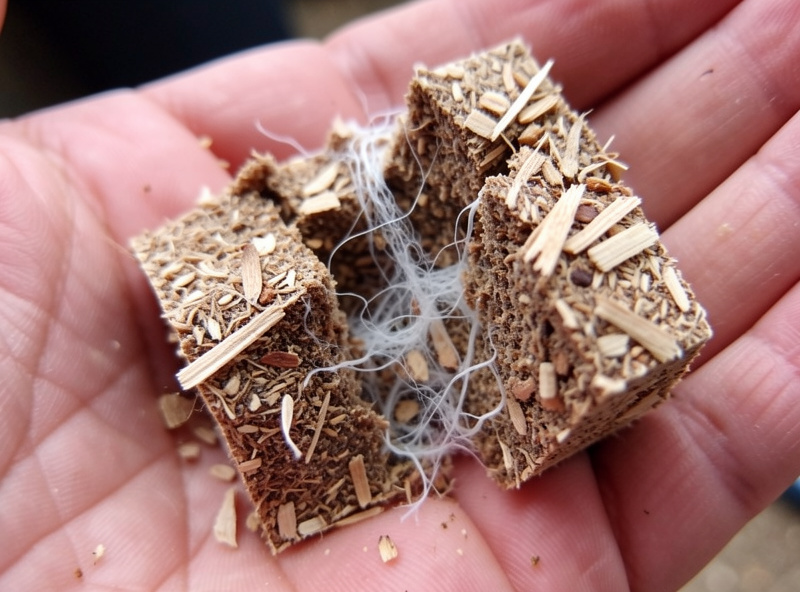
Sawdust is also the gateway to every wood technique. Once you can make it, you can inoculate a log, build a totem, or run an outdoor bed — see the mushroom log inoculation guide for where it goes next. The trade-off is that sawdust does not multiply well: a colonized bag of sawdust is generally used once on its target, not expanded like grain.
Can You Use One Spawn Type for the Other’s Job?
Sometimes, but usually at a cost. You can inoculate an indoor block with sawdust spawn — it just colonizes slower than grain would. What you should almost never do is push grain spawn onto an outdoor log or bed, because grain’s nutrient load turns it into a bacterial and mold buffet the moment it leaves sterile conditions.
This is the mistake I see most, and I made a version of it myself early on. I once tried to shortcut a batch of oyster totems by packing grain spawn between the rounds instead of sawdust, figuring the faster grain would just colonize quicker. Within a week the whole stack smelled sour — that unmistakable wet-dishrag reek of bacterial contamination — and went slimy at every grain layer. The lesson stuck: grain feeds competitors outdoors as eagerly as it feeds your mycelium. Now the rule is absolute on my bench — grain stays inside the sterile chamber, sawdust and dowels go outside. Penn State Extension’s log-cultivation guidance points growers to sawdust and plug spawn for exactly this reason.
The reverse substitution is safer but wasteful. Sawdust on an indoor block works fine; you just give up grain’s speed advantage and its ability to multiply. If you are set up for grain indoors, use it indoors. If you are going to wood, go straight to sawdust.
Which Should a Beginner Learn First?
Learn grain spawn first. It teaches sterile technique and how to read a spawn run on the fastest possible timeline — you get a clear colonized-or-contaminated verdict in under two weeks instead of waiting a month on a block or a year on a log. Master grain on oyster, then move to sawdust once your clean technique is solid.
The reasoning is feedback speed. Every skill in cultivation is really the skill of not contaminating, and grain gives you the tightest feedback loop to build it — you will know within days whether your transfer was clean. Once you can consistently colonize grain jars without a green Trichoderma jar in the batch, sawdust and the whole world of wood cultivation open up with the same underlying discipline. That same clean-process instinct is the one that protects the sourdough starter and the salami curing chamber on the other benches — it is one habit, pointed at four different fermentations.
Is grain spawn or sawdust spawn faster to colonize?
Grain spawn is faster. A jar of rye or millet colonizes in about 10 to 16 days thanks to its high nutrient load, while sawdust spawn takes roughly 2 to 4 weeks. Grain’s speed is why it is the standard for indoor bulk substrate where outrunning contamination matters most.
Can I inoculate a log with grain spawn instead of sawdust?
You should not. Grain spawn is too nutrient-rich to survive outside a sterile chamber, and on an outdoor log it sours to bacteria and mold before the mycelium can establish. Use sawdust spawn or dowel plug spawn for logs, stumps, and beds, because their lower nutrient load resists outdoor competitors.
Do I need a pressure canner for both grain and sawdust spawn?
You always need one for grain spawn, which is too nutritious to pasteurize safely. Sawdust spawn should be sterilized for indoor fruiting blocks, but for rugged outdoor inoculation a lower-nitrogen sawdust can be pasteurized and still out-compete slower wild fungi.
Which spawn type is cheaper?
Grain is cheap as a material, but it requires a pressure canner, so the upfront gear cost is higher. Sawdust from hardwood fuel pellets is also cheap but needs more preparation. For scaling indoors, grain is cheapest overall because one jar multiplies into many through grain-to-grain transfer.
Can sawdust spawn be multiplied like grain spawn?
Not really. Grain spawn multiplies beautifully through grain-to-grain transfer, turning one jar into ten. Sawdust spawn is generally used once on its target substrate, since it colonizes too slowly and does not transfer as cleanly to make expansion worthwhile.
Keep Building
- Mushroom Spawn Types and Inoculation Methods (the full map)
- Grain Spawn and Culture Lab: The Complete Home Guide
- Masters Mix Substrate: 50/50 Sawdust and Soy Hull Recipe
- Mushroom Log Inoculation Guide: Drill, Spawn, Wax, Stack
- Spawn-to-Bulk Ratio: Getting the Mix Right for Monotubs
Authority references: Cornell Small Farms Program (spawn selection and log colonization) and Penn State Extension (sawdust and plug spawn for log cultivation).