
Bulk substrate is the cheap, high-volume material a colonized grain spawn runs through to produce a tubful of mushrooms. For most home tubs that means CVG — coir, vermiculite, and gypsum — or pasteurized straw, hydrated to field capacity and pasteurized rather than sterilized. Get the prep right and a tub colonizes clean in a week; get the moisture or the pasteurization wrong and it sours before it pins.
I have prepped bulk hundreds of times for oyster and wine cap, and the recipe is forgiving in formula but unforgiving in two things: water content and pasteurization. This guide covers what goes into a good bulk mix, how to hydrate it to the exact point the mycelium wants, and how to pasteurize it so the colonizing spawn has the edge over every competitor in the room.
This article contains affiliate links. As an Amazon Associate I may earn from qualifying purchases, at no extra cost to you.
What Bulk Substrate Is and Why It Works
Bulk substrate is a low-nutrient, water-holding material that lets a small amount of colonized grain leverage a large mass into mushrooms. The classic mix is CVG: coir for water retention and structure, vermiculite to hold moisture and keep the mix airy, and a handful of gypsum to buffer pH and prevent the coir from clumping. It is deliberately low in free nutrients, which is what lets it be pasteurized instead of sterilized — there is little for competitors to feast on, so the colonizing mycelium wins.
This is the engine of bulk growing. A quart of grain spawn mixed into a tub of cheap CVG produces far more fruit than the grain alone ever could, because the mycelium spreads its energy across the whole bulk and fruits from that surface. The full picture of how spawn, bulk, and yield fit together is in the monotub and bulk growing guide, and the matching of each species to its ideal substrate is in the substrates guide.
The CVG Recipe for Tubs
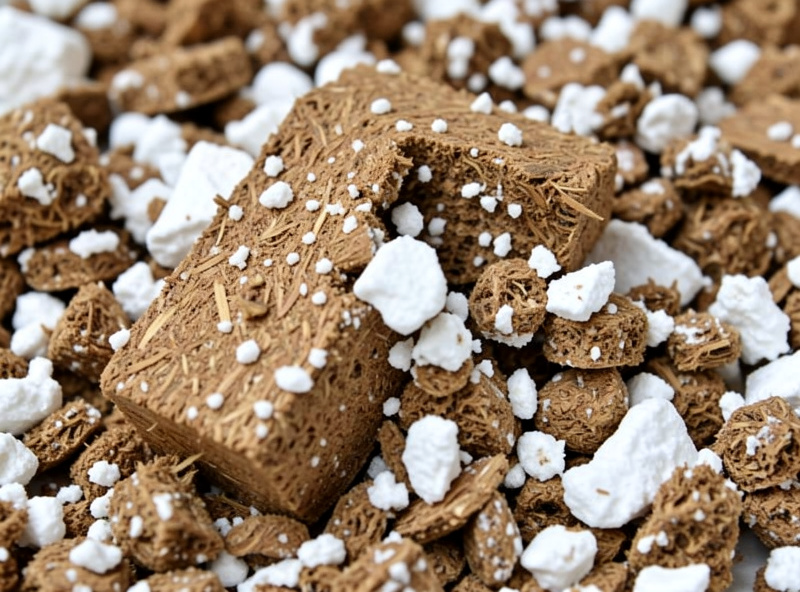
A standard CVG batch is one 650-gram brick of coir, hydrated with boiling water, mixed with a few quarts of vermiculite and a cup of gypsum. The boiling water both hydrates the coir and gives it a head start on pasteurization. Pour the boiling water over the brick in a lined tub or bucket, cover, and let it steam and absorb for an hour or so until the coir has broken apart and cooled to handling temperature.
Once hydrated, fluff the coir apart, fold in the vermiculite for air porosity, and dust in the gypsum. The result should be a dark, uniform, crumbly mix with no dry clumps. For a 54-quart tub I scale this up to two bricks. Reliable coir bricks and food-grade gypsum are easy to source — a coco coir brick and a bag of food-grade gypsum will prep many tubs.
Hydrating to Field Capacity
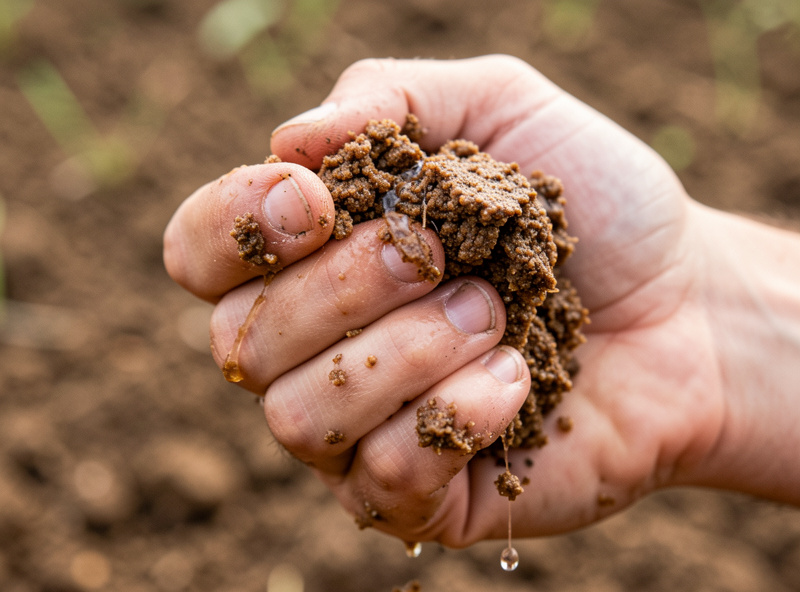
Field capacity is the moisture target for all bulk substrate: fully hydrated but not waterlogged. The test is the squeeze — grab a fistful and squeeze hard; correctly hydrated bulk releases only a few drops of water between your fingers, no more. A steady stream means too wet; nothing at all means too dry. Too wet invites bacterial blotch and anaerobic souring in the lower layers; too dry stalls the mycelium and starves the eventual flush.
Coir absorbs a lot of water, so it is easy to over-hydrate by dumping in extra “to be safe.” Resist it. If a mix comes out too wet, spread it on a clean surface and let it air down, mixing periodically, until the squeeze test passes. The squeeze test and the field-capacity logic apply to every substrate, not just CVG — the field-capacity guide covers it in depth for blocks and straw too.
Pasteurizing, Not Sterilizing
Bulk substrate is pasteurized, held at roughly 65–75°C (149–167°F) for 60–90 minutes — hot enough to kill mold spores and weed fungi, cool enough to leave a competitive floor of beneficial microbes. This is the opposite of grain spawn, which is fully sterilized in a pressure canner. Bulk is pasteurized on purpose: a fully sterile bulk has no microbial defense, so if a single contaminant lands it has the whole substrate to itself.
The simplest home method is the hot-water bath — submerge the substrate in a mesh bag in water held at temperature — or “cooler tek,” where boiling water is poured over the substrate in an insulated cooler and left to sit overnight. Both reliably hit the pasteurization band without the risk of overheating into sterilization. The full method comparison, including straw-specific approaches, is in the straw pasteurization guide and the cold vs hot pasteurization breakdown.
| Component | Role | Typical Amount (per tub) |
|---|---|---|
| Coir | Water retention, structure | 2 bricks (~1,300 g) |
| Vermiculite | Air porosity, moisture buffer | 4–6 quarts |
| Gypsum | pH buffer, anti-clumping | 1–2 cups |
| Water | Hydration to field capacity | To squeeze-test target |
Straw and Other Bulk Options
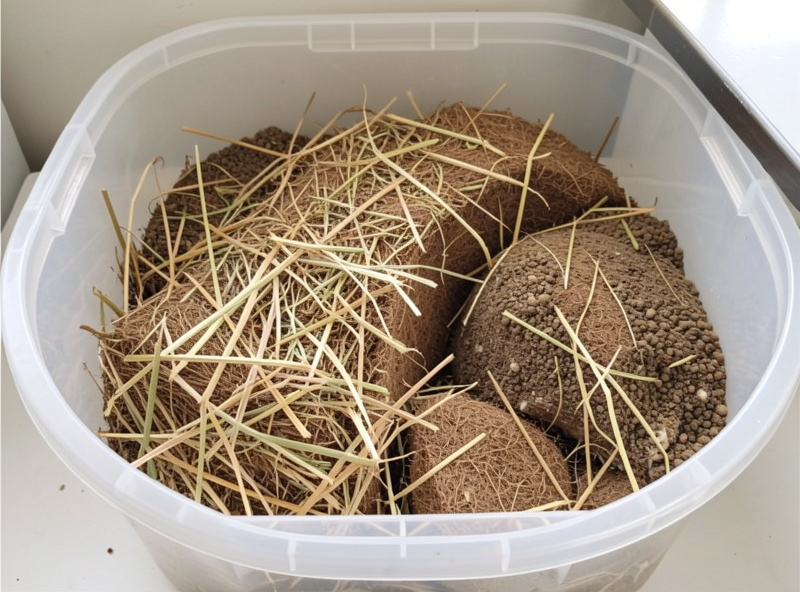
Straw is the traditional oyster bulk and an excellent, even cheaper alternative to CVG. Chopped and pasteurized wheat or oat straw colonizes fast with oyster and gives heavy yields, though it is messier to handle and a little more contamination-prone than coir if under-pasteurized. Many growers blend straw with coir for the best of both — the structure and yield of straw with the water-holding consistency of coir.
For wine cap, the bulk is coarser still: hardwood chips mixed with straw, suited to the outdoor bed or a deep tub. Button and portobello are the outlier, grown on composted manure with a casing layer rather than a wood or coir base. Each of these has its place, and the right choice follows the species — the substrates guide maps them out, while the prep principles of moisture and pasteurization stay the same across all of them.
Bulk Prep Mistakes to Avoid
The two failures that ruin bulk are over-hydration and under-pasteurization. Over-hydrated bulk sours from the bottom up and never recovers; always run the squeeze test before spawning. Under-pasteurized bulk — not held long enough or hot enough — carries surviving mold spores that bloom the moment you spawn. The fix for both is patience: hydrate to field capacity, hold the pasteurization band for the full time, and let the substrate cool to room temperature before spawning so the heat does not kill your grain.
One more: spawning into bulk that is still warm. After pasteurization, let the substrate cool completely — spawning into hot bulk cooks the mycelium and stalls the tub. Once cooled and at field capacity, the bulk is ready to mix with grain at your chosen spawn-to-bulk ratio and load into the tub.
Related Guides
- Monotub and Bulk Growing: The Complete Guide
- Spawn-to-Bulk Ratio: Getting the Mix Right
- Straw Substrate Pasteurization Methods
- Substrate Moisture and the Field-Capacity Test
- Mushroom Substrates: The Complete Guide
Frequently Asked Questions
What is the best bulk substrate for a monotub?
CVG (coir, vermiculite, gypsum) is the most reliable bulk for home tubs, working well for oyster, wine cap, and most bulk-suitable species. Pasteurized straw is a cheaper alternative that yields heavily with oyster.
Do I sterilize or pasteurize bulk substrate?
Pasteurize, not sterilize. Hold bulk at 65 to 75 degrees Celsius for 60 to 90 minutes. This kills mold while leaving beneficial microbes that help the spawn outcompete contaminants, which a sterile bulk would lack.
How wet should bulk substrate be?
Hydrate to field capacity: squeeze a fistful hard and only a few drops should release. A steady stream means too wet, which causes souring; nothing at all means too dry, which stalls the mycelium.
Can I reuse bulk substrate?
Fresh bulk is single-use for fruiting, but the spent block after its flushes has a second life as garden compost or mulch. Do not re-pasteurize and re-spawn spent bulk; yields and contamination resistance both collapse.
Why did my bulk substrate get contaminated?
Almost always over-hydration or under-pasteurization. Waterlogged bulk sours from the bottom; under-pasteurized bulk carries surviving mold spores. Run the squeeze test and hold the full pasteurization time and temperature.
Do I need gypsum in CVG?
Gypsum is not strictly required but it helps: it buffers pH and keeps the coir from clumping into dense pockets, improving airflow and even colonization. A cup or two per tub is plenty.