
A shiitake fruiting block is roughly 80% hardwood sawdust and 20% supplement by dry weight, hydrated to field capacity and pressure-sterilized for 2.5 hours at 15 PSI. That supplementation is the whole game: bran-free sawdust grows weak shiitake, but push the nitrogen too high without a clean sterilization and the block sours before the mycelium ever takes hold. Shiitake sits at a sweet spot most growers miss.
This is the block I run on the bench when I want indoor shiitake without waiting on outdoor logs. It is a different animal from the oyster bags most people start on — slower, hungrier, and far less forgiving of a sloppy sterile step. Here is the exact formula, the canner schedule, the spawn rate, and the colonize-and-brown timeline I use, all of which feeds back into the broader growing shiitake guide. If you want the indoor-versus-outdoor decision first, the log vs block comparison lays it out.
The Supplemented Sawdust Block Formula
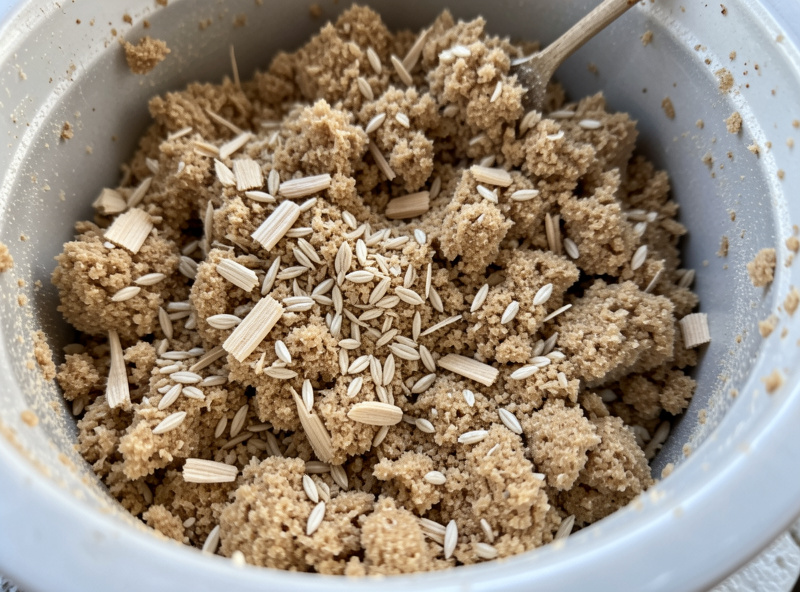
By dry weight, a reliable shiitake block runs about 80% hardwood sawdust or fuel pellets, 18 to 20% wheat bran, and 1 to 2% gypsum, brought to roughly 60% moisture. The bran feeds the dense colonization and heavy browning that shiitake needs; the gypsum buffers the mix and keeps the block from packing into an airless brick.
Oak is the gold-standard base, with beech, maple, and sweetgum all working — the same hardwoods Michigan State University Extension recommends for Lentinula edodes. I build most of my blocks on hardwood heating pellets because they are clean, consistent, and expand into fine sawdust when hydrated — no bark, no resin, no surprises. Wheat bran is the standard supplement; some growers blend in rice bran or millet. Shiitake will take this 20% supplement load that would turn an oyster block into a contamination bomb, because once it raises its brown rind it defends the substrate well. The catch, always, is that the supplement only pays off after a full sterilization — never a pasteurization. This formula overlaps with my general supplemented sawdust recipe, but shiitake leans harder on bran than the Masters Mix I run for lion’s mane and king oyster.
Supplementation at a Glance
The table shows how I adjust the mix by goal. Higher bran drives yield but raises the stakes on your sterilization; a leaner block is more forgiving for a first run.
| Component | Lean Block (forgiving) | Standard Block | Rich Block (max yield) |
|---|---|---|---|
| Hardwood sawdust/pellets | 85% | 80% | 75% |
| Wheat bran | 13% | 18% | 23% |
| Gypsum | 2% | 2% | 2% |
| Target moisture | 58% | 60% | 60% |
| Contamination risk | Lower | Moderate | Higher |
| Best for | First blocks | Routine runs | Dialed-in sterile work |
Hydration: The Field-Capacity Target
Hydrate the mix until a hard squeezed handful releases a few drops, not a stream — that is field capacity, around 60% moisture for shiitake. Over-wet blocks go anaerobic and sour in the bag; under-wet blocks colonize slowly and brown poorly, leaving a crumbly substrate that fruits thin.
Bran-rich mixes drink more water than plain sawdust, so I hydrate, let the block sit 20 minutes to absorb, then re-check before bagging. The squeeze test is quick but it is the single thing that decides whether the block colonizes clean. I cover the exact method in my field-capacity moisture guide; for shiitake specifically, err a touch drier rather than wetter, because a sour bran block is unrecoverable. Pack the hydrated mix into filter-patch bags, firm but not crushed, leaving the patch clear for gas exchange.
Sterilizing the Block
Supplemented shiitake blocks must be fully sterilized: 15 PSI in a pressure canner for 2.5 hours for a standard 5-pound block, scaling up for larger masses. Pasteurization temperatures leave a bran-rich block full of surviving bacteria and mold that overrun slow-colonizing shiitake within days.
This is non-negotiable. Bran is food for every competitor, not just shiitake, and shiitake is too slow to win a fair fight — so you remove the competition entirely. I load bagged blocks upright in the canner, vent properly to purge air, then hold 15 PSI for the full 2.5 hours and let the canner cool naturally before opening. Rushed cooling pulls unfiltered air into the patches. The sterilize-versus-pasteurize logic, and why straw oyster substrates get the gentler treatment, is in my pasteurization comparison and the wider bulk substrate guide. A large stovetop pressure canner is the one tool that makes block shiitake possible. As an Amazon Associate I earn from qualifying purchases.
Spawning and Colonization
Inoculate cooled blocks with shiitake sawdust spawn at 5 to 10% of block weight, working in still air or under a flow hood, then seal and colonize in the dark at 21 to 24°C. Full colonization takes three to six weeks — two to three times longer than oyster — because shiitake grows slowly and densely.
I let blocks cool overnight to room temperature before spawning; warm substrate kills spawn and condensation invites contamination. Sawdust spawn beats grain spawn here because it matches the wood base and transitions without a nutrition shock. Break the spawn through the bag, massage it evenly, heat-seal the filter patch, and then leave the block alone — every peek is a fresh-air event on a substrate that will sit colonizing for over a month. Shiitake sawdust spawn from a reputable supplier is worth the cost over uncertain grain spawn. The mycelium runs white and fluffy, knitting the block solid before the browning even begins.
Browning Before You Fruit
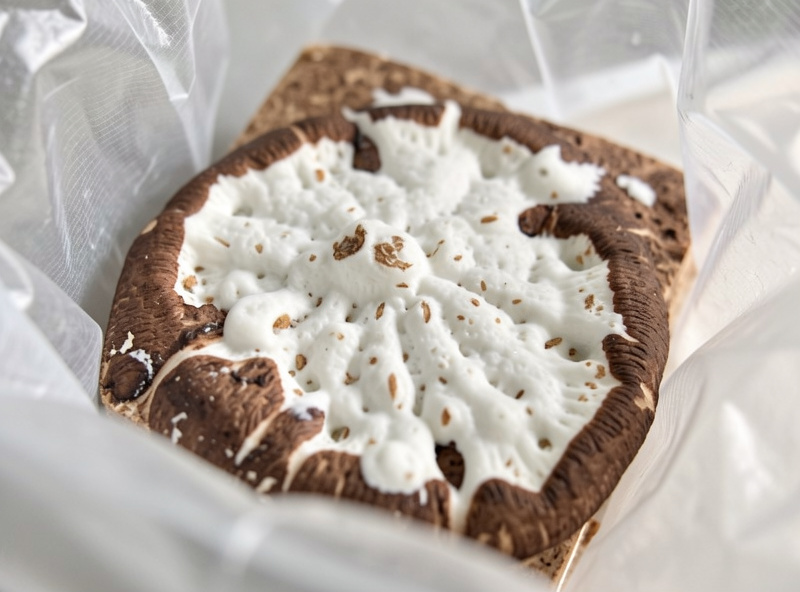
A fully white shiitake block is not ready — it must brown for another two to four weeks, developing a tan-to-chocolate rind and often weeping amber droplets. That brown skin stores energy and protects the block; fruiting before it browns gives sparse, weak pins and a contamination-prone surface.
To an oyster grower a browning, amber-beading block looks like a disaster. It is not — that is healthy shiitake doing exactly what it should. I keep browning blocks in the bag, in low light, with a little fresh-air exchange, until they feel like a dense rubbery loaf that springs back when pressed. Only then do they get popped out and cold-water shocked to fruit, which is its own technique covered in the soak-shocking guide. From there the block moves into fruiting conditions and, once fruiting, gives the multi-flush returns laid out in my yield-per-block guide. If a block refuses to brown or shows off-colors, the troubleshooting guide sorts healthy rind from contamination.
Bagging, Incubation, and the Mistakes That Kill First Blocks
Most first shiitake blocks fail for one of four reasons: the block was too wet and soured, the sterilization was too short for the bran load, the spawn went into a still-warm block, or the grower kept opening the bag during the long colonize. Each one is preventable, and none of them shows up in the fruiting room — they all trace back to prep.
Pack hydrated substrate into filter-patch bags firmly but without crushing the air out, and keep the patch clear so the block can breathe through colonization. After sterilizing, let blocks cool fully — overnight is safest — because spawning into a warm block both kills spawn and pulls condensation that breeds bacteria. Incubate in the dark on a temperature-stable shelf at 21 to 24°C; a heat mat with a thermostat holds that band far better than a drafty cupboard, and shiitake’s slow colonize punishes temperature swings. I keep my colonization shelf in a quiet, low-traffic corner because the more the air moves around a sitting block, the more contamination pressure it faces.
The hardest discipline is leaving the bag sealed. A shiitake block sits colonizing and browning for six to ten weeks total, and every time you open it to check, you exchange filtered interior air for room air carrying mold spores. Look through the bag, not into it. If something does go wrong, the color and smell tell you what it was — green dust is Trichoderma, wispy grey is cobweb mold, a sour wet patch is bacterial — and the toss-versus-save calls are in the troubleshooting guide. The same clean-process habit that protects a shiitake block protects a sourdough starter and a salami curing chamber: patience plus a sealed, settled environment.
Frequently Asked Questions
What is the best substrate ratio for shiitake blocks?
About 80% hardwood sawdust or fuel pellets, 18 to 20% wheat bran, and 1 to 2% gypsum by dry weight, hydrated to roughly 60% moisture. Higher bran lifts yield but raises contamination risk, so a leaner 85/13 mix is safer for first blocks.
Can I pasteurize a shiitake block instead of sterilizing it?
No. Supplemented sawdust blocks are bran-rich and colonize slowly, so they must be fully sterilized at 15 PSI for about 2.5 hours. Pasteurization leaves bacteria and mold that overrun shiitake before it can establish.
How much spawn do I use per shiitake block?
Inoculate at 5 to 10% of block weight with shiitake sawdust spawn. Sawdust spawn is preferred over grain spawn because it matches the wood base and transitions onto the block without a nutrition shock or extra bacterial load.
How long does a shiitake block take to colonize?
Three to six weeks to fully colonize white at 21 to 24°C, then another two to four weeks to brown before it will fruit. That is far slower than oyster, which is why a clean sterilization matters so much.
What wood is best for shiitake blocks?
Oak is the classic, with beech, maple, and sweetgum all working well. Many growers, including me, use hardwood heating pellets as a clean, consistent base that expands into fine sawdust with no bark or resin.