
For most home mushroom growing, ordinary tap water is fine — the heat of pasteurizing or sterilizing your substrate neutralizes the free chlorine that worries people. Water quality genuinely matters in three narrow places: chloramine-treated tap that won’t gas off, very hard water that scales and shortens an ultrasonic humidifier, and misting live culture directly. Knowing which of those you actually have saves you from buying an RO system you don’t need.
I’ve hydrated years of grain and CVG substrate straight from a Swedish tap and colonized it clean, so I’m not precious about water. But I’ve also killed an ultrasonic humidifier with hard-water scale and watched mineral dust settle on a fruiting flush like fine flour, so I know exactly where water quality earns its keep. This guide sorts the real problems from the internet panic, and tells you when a filter or reverse osmosis is worth the money and when your tap is completely fine.
Does Tap Water Kill Mushroom Mycelium?
Not in practice, for substrate work. Chlorine is added to municipal water specifically to kill microbes, and mycelium is a microbe, so in theory heavily chlorinated water can slow it. But any substrate you pasteurize or sterilize gets heated well past the point where free chlorine dissipates, so the water going into a pressure canner or a lime bath is effectively dechlorinated by the process itself. The chlorine worry is real chemistry aimed at the wrong stage.
Where it can matter is unheated, direct contact with living tissue: misting a fresh agar plate or young pins with straight, strongly chlorinated tap water, or topping up a liquid-culture jar. Even there, the concentrations in typical drinking water are low enough that most growers never see a problem, but it’s the one place I bother to dechlorinate. The simplest fix costs nothing: fill an open container and let it sit 24 hours, and the free chlorine gasses off on its own. The U.S. EPA’s drinking water program documents the disinfectants public systems use, which is worth a look because the right fix depends entirely on whether your utility uses chlorine or chloramine. That distinction is the whole game, and it’s next.
Chlorine vs Chloramine: Why the Difference Matters
Chlorine gasses off if you let water stand open overnight; chloramine does not. Many utilities switched to chloramine — chlorine combined with ammonia — precisely because it’s more stable and lasts longer in the pipes, which is great for public health and mildly annoying for anyone trying to remove it. If your water is chloraminated, letting it sit out does almost nothing, and a basic carbon filter only partly helps.
Find out which one you have before you spend a cent — your water utility publishes an annual water quality report that states it plainly. If it’s chlorine, standing water overnight or a cheap carbon pitcher handles it. If it’s chloramine and you genuinely need chlorine-free water for direct culture work, you need a catalytic carbon filter rated for chloramine or reverse osmosis; ordinary carbon and standing won’t cut it. Again, keep perspective: for pasteurized and sterilized substrate this is all moot because the heat handles it. Chloramine only forces your hand for direct-contact live culture work, which is a small slice of what most home growers do. The sterile side of that work — where clean liquid culture actually matters — I cover in my stir-plate liquid culture notes.
Does Hard Water Hurt Mushroom Growing?
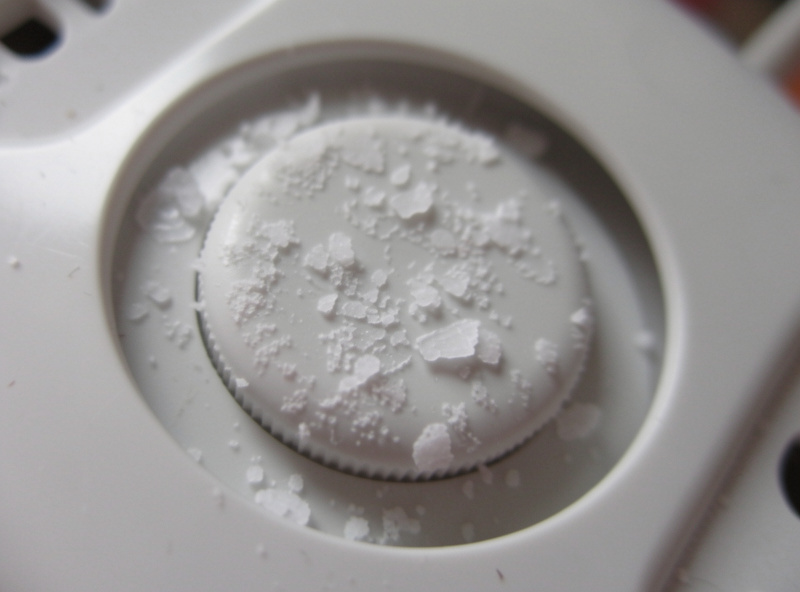
Hard water won’t hurt your mycelium, but it will wreck your ultrasonic humidifier and dust your mushrooms with minerals. Hard water is simply water high in dissolved calcium and magnesium; the U.S. Geological Survey maps show huge regional variation in water hardness. Those minerals are harmless to eat, but an ultrasonic humidifier atomizes them into a fine white powder that settles on everything in the tent.
I learned this by watching a beautiful blue oyster flush come up looking like it had been dredged in flour — a chalky mineral film on every cap, because I’d been running hard tap water through the ultrasonic humidifier for weeks. The same minerals crust the transducer disc, and a scaled transducer atomizes less and less until the humidifier quietly stops holding humidity. For the humidifier specifically, hard water is a real, recurring cost: more cleaning, shorter lifespan, dusty mushrooms. This is the one place I switched away from straight tap, and it’s why the humidifier — not the substrate — is where water quality actually shows up on your shelf. The controller side of that fruiting setup is in my humidity controller guide.
Do You Need Reverse Osmosis (RO) Water for Mushrooms?
Almost no home grower needs RO for substrate, and most don’t need it at all. Reverse osmosis strips nearly everything — chlorine, chloramine, minerals — producing very pure water, which is genuinely useful for two things: feeding an ultrasonic humidifier so it never scales or dusts, and misting sensitive live culture in a chloramine area. For hydrating grain and bulk substrate, RO is overkill, because the sterilization step already handles the only thing that mattered.
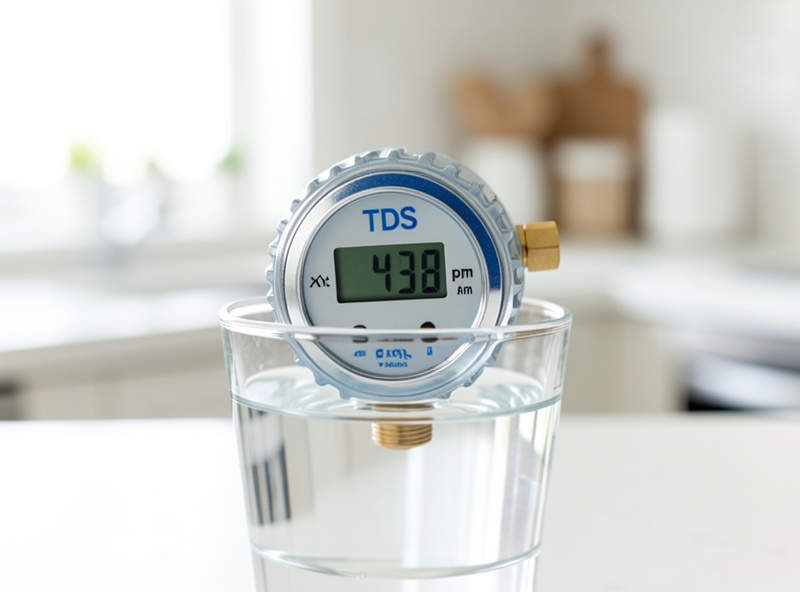
If you have hard water and run a humidifier daily, RO or distilled water in the reservoir is a reasonable upgrade that pays for itself in humidifier lifespan and clean caps — I use low-mineral water in mine for exactly that reason. But buying an RO system to hydrate substrate is spending money to solve a problem your pressure canner already solved. A cheap TDS meter tells you your water’s dissolved-solids level in seconds and is a far smarter first purchase than an RO unit — measure before you invest. If you’re prepping bulk substrate without heat at all, the cold lime-bath method raises pH rather than sterilizing, so there dechlorinated water is slightly more relevant — still not RO-worthy for most tap.
As an Amazon Associate I earn from qualifying purchases.
How Do You Dechlorinate Water for Mushrooms?
If you’ve decided a particular step needs chlorine-free water — misting live culture, filling a humidifier, topping a liquid-culture jar — there are four practical ways to get it, and which one you pick depends on whether you have chlorine or chloramine. For plain chlorine, time and air do the work for free; for chloramine you need something that chemically breaks the bond.
The simplest method is standing water: fill an open, wide container and leave it 24 hours, and free chlorine escapes as gas. It’s zero-cost and perfect for chlorine, useless for chloramine. Boiling accelerates chlorine removal — fifteen to twenty minutes of a rolling boil drives most of it off — but again does little for chloramine and wastes energy at any volume. A carbon filter, from a cheap pitcher to an inline unit, removes chlorine readily and, if it’s a catalytic carbon rated for it, reduces chloramine too; a plain carbon pitcher only nibbles at chloramine.
For chloramine specifically, the reliable non-RO options are chemical: a tiny pinch of a potassium-metabisulfite Campden tablet, or a small dose of ascorbic acid (vitamin C), neutralizes both chlorine and chloramine almost instantly — these are the same dechlorinators homebrewers and aquarium keepers use. I keep this in perspective: I rarely bother, because the substrate is heat-treated and my humidifier just gets low-mineral water. But if you’re in a chloramine area doing unheated culture work, a Campden tablet in a jug is cheaper and easier than an RO system. Whichever you use, match the method to your disinfectant — standing water for chlorine, chemistry or catalytic carbon for chloramine.
What Water Should You Use for Each Step?
Different stages have genuinely different water needs, and matching them stops you over-treating. The table below is how I actually run it — tap where heat covers me, cleaner water only where live tissue or the humidifier is exposed.
| Step | Water that works | Why | Worth upgrading? |
| Hydrating grain spawn | Tap | Pressure sterilization neutralizes chlorine | No |
| Bulk substrate (pasteurized) | Tap | Heat dissipates free chlorine | No |
| Cold lime-bath substrate | Tap, ideally stood overnight | No heat step; high pH does the work | Rarely |
| Misting pins / fruiting | Dechlorinated or filtered | Direct contact with living tissue | Sometimes |
| Ultrasonic humidifier | RO / distilled / soft | Prevents scale and mineral dust | Yes, if hard water |
| Agar / liquid culture | Distilled or RO | Sterile, mineral-free, no surprises | Yes |
Read it and you’ll see the pattern: the more heat or high pH a step involves, the less the water matters; the more direct and unheated the contact with live tissue, the more it does. Match the water to the step and you’ll never over-spend on treatment.
The Humidifier Mistake I Kept Making
My recurring water mistake wasn’t in the substrate at all — it was stubbornly refilling the ultrasonic humidifier from the hard tap because it was easy. For months I’d notice the humidifier holding humidity a little worse each week, then find myself scrubbing a chalky white crust off the transducer with a cotton bud soaked in vinegar, the disc rough with scale under my thumb. I blamed the humidifier. I bought a second one. It scaled too, of course, because the problem was never the machine — it was the mineral load in the water I kept pouring into it, and the fine grit it flung across the tent settled onto my caps as that tell-tale flour dusting.
The fix was embarrassingly simple: run low-mineral water — distilled, RO, or soft — through the humidifier only, keep tap for everything the heat covers, and descale the transducer with a vinegar soak on a schedule instead of when it fails. Since then the humidifier holds humidity steadily for months and my flushes come up clean. The lesson generalizes: don’t treat all your grow water the same. The substrate forgives your tap; the humidifier does not.
Can I use tap water to grow mushrooms?
Yes, for substrate. Pasteurizing or sterilizing the substrate heats the water past the point where free chlorine dissipates, so tap water is fine for hydrating grain and bulk substrate. The exceptions are misting live culture or pins directly, and filling an ultrasonic humidifier if your water is hard, where cleaner water helps.
Does chlorine in water affect mushroom mycelium?
Chlorine can slow mycelium because it is designed to kill microbes, but in practice the heat of sterilizing or pasteurizing substrate removes free chlorine before it matters. For direct contact with live tissue, letting tap water stand open for 24 hours gasses off chlorine. This only fails if your water is treated with chloramine instead.
What is the difference between chlorine and chloramine for growing?
Chlorine gasses off if you let water stand open overnight or pass it through a basic carbon filter. Chloramine is chlorine combined with ammonia, is far more stable, and does not gas off or filter out easily. Check your utility’s water quality report; if you have chloramine and need chlorine-free water for live culture, you need catalytic carbon or reverse osmosis.
Do I need reverse osmosis water for mushrooms?
Rarely. RO is overkill for substrate because sterilization already handles chlorine. It is genuinely useful for feeding an ultrasonic humidifier in a hard-water area, where it prevents mineral scale and dusty mushrooms, and for agar or liquid culture. Test your water with a TDS meter before buying an RO system.
Why is there white powder on my mushrooms and humidifier?
That white powder is dissolved minerals from hard water, atomized by an ultrasonic humidifier and settling on caps as a chalky film, plus scale crusting the transducer disc. It is harmless but shortens the humidifier’s life and dulls your mushrooms. Switch the humidifier to distilled, RO, or soft water and descale the transducer with a vinegar soak.
Keep Building
Water is one input among several, and it’s the one people over-worry and under-manage in the wrong places. Put it in context with the rest of your environment:
- Mushroom grow room climate control — where water fits among temperature, humidity and air.
- Growing mushrooms in a cold basement through winter — why cold air over-condenses.
- Wiring a humidity and FAE controller — the humidifier your water feeds.
- Stir plates for liquid culture — where clean water genuinely matters.
If I were setting up water today, I’d spend fifteen dollars on a TDS meter, read my utility’s chlorine-or-chloramine report, and change exactly one thing: low-mineral water in the humidifier. Tap for the substrate, clean water for the machine, and stop worrying about the rest.