
To make mushroom coffee at home, stir a quarter to a half teaspoon of fine mushroom powder into your grounds before brewing, or straight into a finished cup. Coffee’s roast and bitterness swallow the earthy powder almost completely, which is exactly why it’s the easiest functional mushroom drink to get right. Start light — you can always add more tomorrow.
Mushroom coffee is the recipe I hand anyone who’s certain they’ll hate the whole category. There’s nothing to extract and nothing to ruin: you’re suspending a spoon of powder in a drink that’s already dark, roasty, and bitter, so the mushroom lands as a slightly deeper, earthier note rather than anything obviously fungal. After the years I’ve spent coaxing a drinkable tea out of a bitter reishi conk, the simplicity of coffee is almost funny — the coffee does all the masking work for you.
This is one spoke of my larger functional mushrooms in the kitchen guide. Everything here uses powders I grind from mushrooms I grow myself in Sweden — lion’s mane on Masters Mix, reishi and cordyceps on their own substrates — so the blend I describe is one I actually drink, not a marketing formula with chaga I don’t cultivate.
What Mushrooms Go in a Coffee Blend?
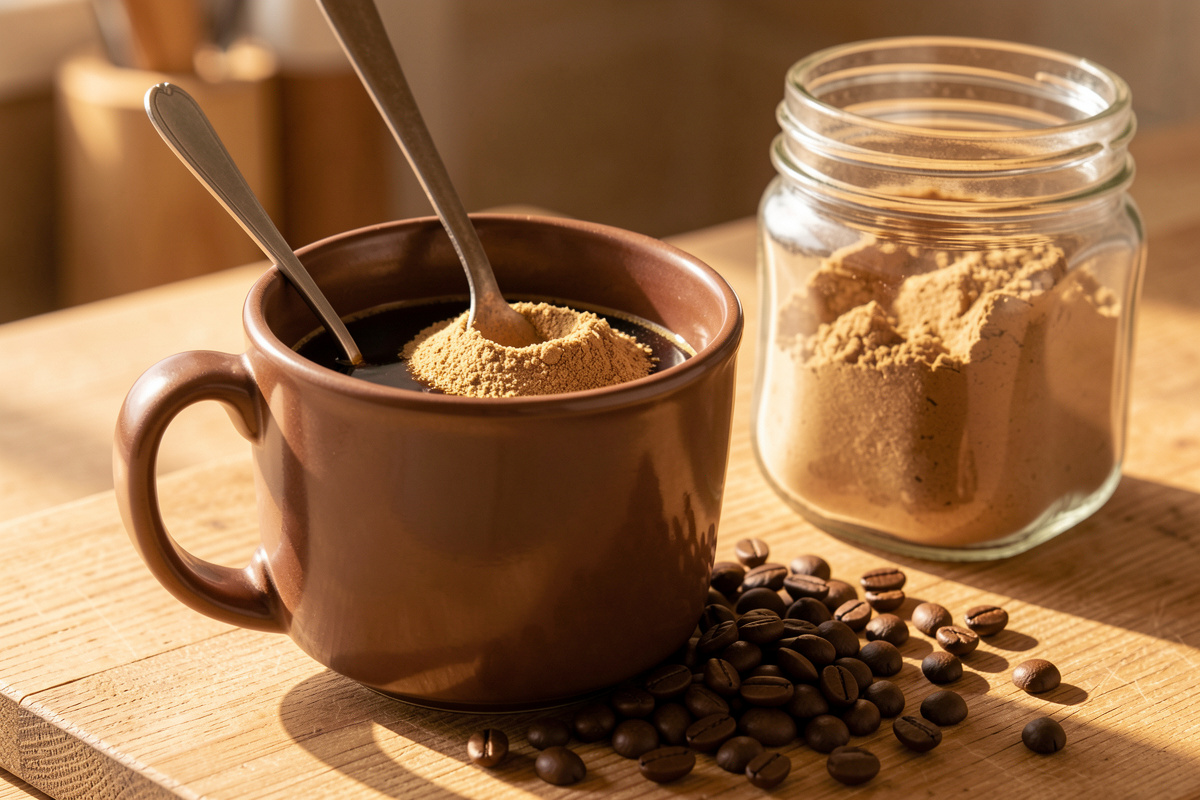
A home mushroom coffee blend usually leans on lion’s mane and cordyceps, with reishi in a smaller supporting role. Lion’s mane brings a mild, rounded earthiness, cordyceps adds a savory depth that pairs shockingly well with roast, and reishi contributes body but turns bitter fast — so it stays a minor note. The blend is built around what complements coffee, not what’s trendy.
The commercial blends you see usually feature chaga alongside these, but chaga isn’t a species I cultivate, so I leave it out and build from what I actually grow. That’s a deliberate choice: I’d rather run a three-mushroom blend I control end to end than chase a five-mushroom label with ingredients I can’t stand behind. Here’s how I weight the three species I do use:
| Mushroom | Flavor in coffee | Blend share | Notes |
| Lion’s mane | Mild, rounded, slightly sweet | 50% | The backbone; grinds to near-flour |
| Cordyceps | Savory, deep, umami | 35% | Pairs beautifully with dark roast |
| Reishi | Bitter, earthy, resinous | 15% | Small share only — turns harsh if pushed |
That 50/35/15 split is my house standard, but it’s a starting point, not scripture. If you like a savory, almost broth-adjacent depth, push the cordyceps up. If you want it as neutral as possible, drop the reishi entirely and run a simple 60/40 lion’s mane to cordyceps. The reason I keep reishi in at all is body — a touch of it gives the cup a fuller mouthfeel — but it’s the one that punishes a heavy hand, exactly as it does in a straight reishi tea.
How Much Mushroom Powder Per Cup of Coffee?
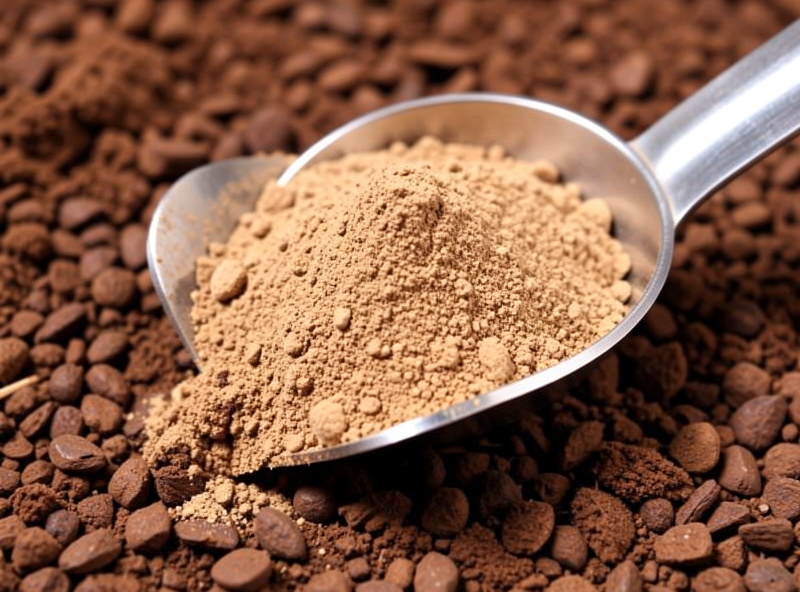
Use a quarter to a half teaspoon of blended mushroom powder per cup — roughly 1 to 2 grams. That’s enough to add depth without the powder muddying the coffee or leaving grit. I weigh my blend when I’m dialing it in, because powder density varies so much between species that a teaspoon of one is nearly double the mass of another.
Start at the low end. A quarter teaspoon in a strong cup of coffee is essentially undetectable as “mushroom” — it just reads as a slightly rounder, earthier brew — and that’s the sweet spot for most people. Push to a half teaspoon if you want the depth more present. Beyond that you start fighting coffee’s ability to mask it, and you’ll notice grit and a muddy finish before you notice any benefit. My digital scale lives next to the grinder specifically so I can translate “half a teaspoon of blend” into grams once and then trust the spoon on a bleary morning.
The other variable is the coffee itself. A bold dark roast hides more powder than a bright, light-roast pour-over, so I run a heavier hand with the blend in an espresso or French press and a lighter one in a delicate filter coffee. If you’re finding the mushroom too present, before you cut the powder, try a darker roast — often the fix is more coffee character, not less mushroom.
Should You Add Mushroom Powder to the Grounds or the Cup?
Add the powder to your grounds before brewing for the smoothest result — the brew process disperses it and you get less settling. Stirring it into a finished cup works too and is faster, but fine powder tends to clump on the surface and needs vigorous stirring or a quick whisk to incorporate. Which you choose depends mostly on your brew method.
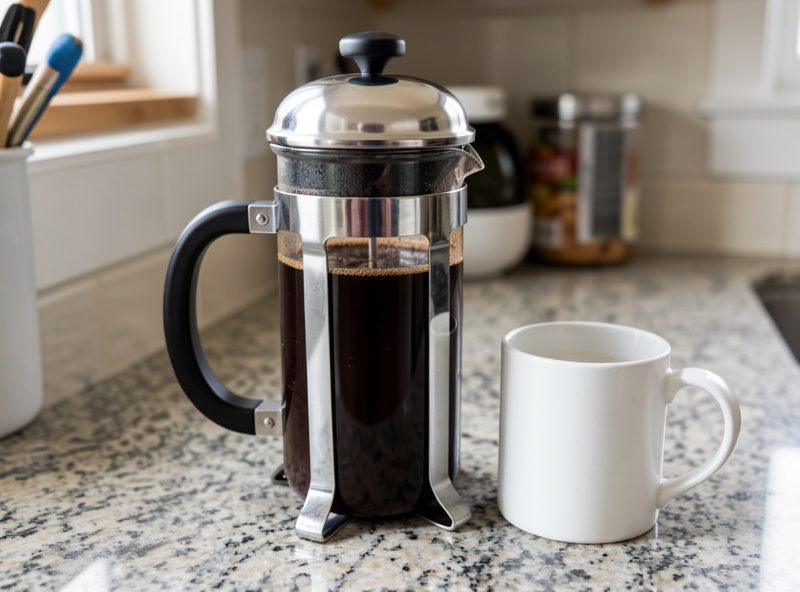
For a French press, I stir the blend right in with the grounds, plunge as normal, and the powder rides along with the coffee — it’s the cleanest integration I’ve found, and the mesh catches most of the coarser particles. For drip or pour-over, adding powder to the grounds can clog a fine paper filter, so I’ll often brew normally and whisk the powder into the finished cup with a small handheld frother instead. That little frother is the single best tool for de-clumping powder in any hot drink; a spoon leaves rafts of dry powder floating on top.
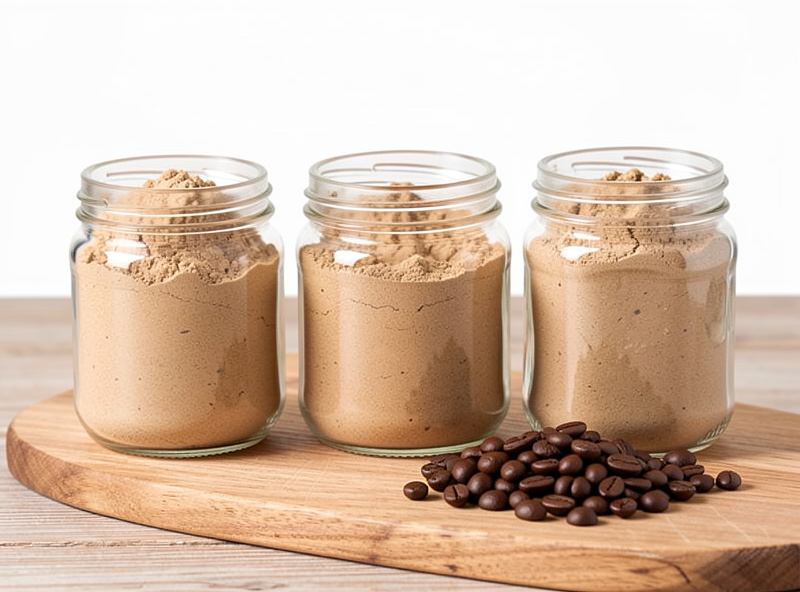
Whichever route you take, the powder has to be genuinely fine. Coarse, gritty grinds settle to the bottom and give you a sludgy last mouthful. I grind my dried mushrooms in a dedicated blade grinder and sift out anything coarse, and the finer the powder the better it suspends. This is where growing and drying your own pays off — you control the grind. I keep a jar of pre-blended powder ready to go, which turns the morning ritual into a single scoop. Good dried lion’s mane and cordyceps are also available if you’re not growing them yet; a quick search for lion’s mane mushroom powder or cordyceps powder turns up plenty to start with.
As an Amazon Associate I earn from qualifying purchases.
How Do You Make Mushroom Coffee Taste Good, Not Just Tolerable?
The trick to genuinely good mushroom coffee is treating it like any coffee you’d want to drink — good beans, the right roast, and fat if you take it that way. The mushroom is a background note; the coffee still has to be good coffee. A spoon of powder won’t rescue stale grounds, and it won’t hurt a well-made cup either.
Fat is the biggest upgrade. A splash of whole milk, oat milk, or a spoon of butter blended in rounds the earthiness the way it does in a lion’s mane latte, turning the cup silkier and pushing the mushroom further into the background. I take my everyday mushroom coffee black with just the blend stirred in, but when I want it to feel like a treat I froth in oat milk and it becomes a genuinely luxurious mushroom-forward latte-style drink. A little sweetness — a touch of honey or maple — also helps if the cordyceps-forward version reads too savory for you first thing in the morning.
The sensory check for a well-made cup: it should smell like coffee first, with a low earthy note underneath, and the finish should be clean, not gritty or muddy. If the last sip is sludgy, your powder was too coarse or you used too much. If it tastes flat and washed out, your coffee was the problem, not the mushroom. Fix the coffee and the mushroom takes care of itself.
Storing and Batching Your Mushroom Coffee Blend
Store your blended mushroom powder in an airtight jar away from light and moisture, exactly as you’d store the individual powders — a sealed glass jar in a dark cabinet holds a pre-mixed blend well for months. Batching a blend in advance is the single thing that makes mushroom coffee a sustainable daily habit rather than a fussy project.
I mix a couple of weeks’ worth at a time by weight, shake it thoroughly to distribute the three species evenly, and keep it in a labeled jar right next to the coffee. The label matters — I date every jar, because a powder blend that looks identical at one month and thirteen months is not the same product; the flavor fades and, if any moisture crept in, the risk climbs. That’s the same log-it-or-lose-it discipline I use on grain spawn in the grow room, just pointed at the coffee shelf.
One caution born of experience: every mushroom in the blend must go into the jar cracker-dry. An under-dried powder in a sealed jar is a small humid environment, and that’s precisely where the molds I fight in cultivation take hold. I dry hard before grinding, and if I’m ever unsure I run the powder through a low dehydrator pass first — the same drying discipline behind every good functional powder, covered in choosing a dehydrator for mushrooms.
Can You Make Cold Brew or Iced Mushroom Coffee?
Yes, and cold brew is one of my favorite formats for it — the long, cold steep pulls a smooth, low-acid coffee that carries mushroom powder beautifully. I add the blend to the grounds before the cold steep, let it all sit together for the usual 12 to 18 hours in the fridge, then filter. The powder disperses through the slow extraction and the finished concentrate is remarkably clean.
The one wrinkle is filtration. Cold brew is typically strained through a fine mesh or a paper filter, and a heavy dose of mushroom powder will slow that down and leave some sediment. I compensate by filtering twice — once through the coarse mesh to get the grounds out, then through a paper filter or a fine cloth to polish the concentrate. It’s a little more fuss than a hot cup, but the result over ice, cut with cold oat milk, is genuinely excellent on a warm afternoon. The savory cordyceps note in particular reads cleaner cold than hot.
For a fast iced version without the overnight wait, I brew a strong hot cup with the blend stirred in, then pour it straight over a full glass of ice. The shock chills it instantly and the dilution from the melting ice is exactly right if you brewed it strong. That whisk-it-into-a-hot-cup-then-ice-it shortcut is how I make a single serving when I didn’t plan ahead — it skips the batching entirely and still tastes like a proper iced mushroom coffee rather than a watered-down afterthought. Either way, keep the powder dose modest; cold formats hide slightly less of the earthiness than a piping-hot dark roast does.
Further Reading
- Functional Mushrooms in the Kitchen: A Cooking Guide
- Brewing Reishi Tea: Simmer Time and What to Add
- A Lion’s Mane Latte Worth Making: Powder, Milk, and Froth
- Cooking With Cordyceps: Broths, Rice, and Savory Uses
- Growing Lion’s Mane: The Complete Home Guide
What mushrooms are used in mushroom coffee?
Home blends usually lean on lion’s mane and cordyceps, with a small amount of reishi for body. Lion’s mane is mild and rounded, cordyceps adds savory depth that suits dark roast, and reishi is kept minor because it turns bitter quickly.
How much mushroom powder do I put in coffee?
A quarter to a half teaspoon per cup, roughly 1 to 2 grams. Start at the low end, where it just reads as a deeper, earthier coffee, and increase only if you want the mushroom more present. Too much leaves grit and a muddy finish.
Do you add mushroom powder to the grounds or the finished cup?
Adding it to the grounds before brewing gives the smoothest result with less settling, which works well in a French press. For drip or pour-over, whisk it into the finished cup with a small frother instead, since powder can clog a paper filter.
Does mushroom coffee taste like mushrooms?
Not much, if you keep the dose modest. Coffee’s roast and bitterness mask the earthy powder, so a quarter teaspoon reads as a slightly deeper, rounder coffee. Push the amount higher and the mushroom becomes noticeable, along with some grit.