
Oyster is faster and easier; shiitake is slower and fussier but rewards patience with months of flushes and far deeper flavor. Oyster fruits two to three weeks after a block colonizes, while an indoor shiitake block must colonize and then brown — a leathery skin that develops over two to three months before it will fruit at all. If you want mushrooms this month, grow oyster. If you want a block that keeps giving for half a year and tastes like the forest, grow shiitake and settle in.
I run both, and they’ve taught me opposite lessons. Oyster taught me speed and forgiveness; shiitake taught me patience — the hard way, by rushing a block that hadn’t finished browning and getting a limp, apologetic first flush for my impatience. This is the comparison for the grower deciding whether to trade oyster’s instant gratification for shiitake’s long, generous payoff. Difficulty, yield, and effort, side by side, from someone who’s fruited both to exhaustion.
Shiitake vs Oyster at a Glance
These two are almost a study in opposites. Oyster is the sprinter — fast, forgiving, high-yield per block, done in weeks. Shiitake is the marathoner — slow to start, demanding of patience, but productive over months and unmatched in flavor. The table sets the terms.
| Factor | Oyster | Shiitake |
| Substrate | Straw, CVG, sawdust | Supplemented hardwood block or logs |
| Colonized to first flush | 2–3 weeks | 2–3 months (must brown first) |
| Difficulty | Easiest | Hard (patience, not technique) |
| Productive lifespan | Weeks (2–4 flushes) | Months (block); years (logs) |
| Effort per flush | Low | Moderate (soak/shock) |
| Flavor | Savory, versatile | Deep, umami, meaty |
Neither wins outright — it depends entirely on whether your bottleneck is patience or time. For the wider field of what to grow and when, this sits inside my best mushrooms to grow at home comparison.
How Much Longer Does Shiitake Take Than Oyster?
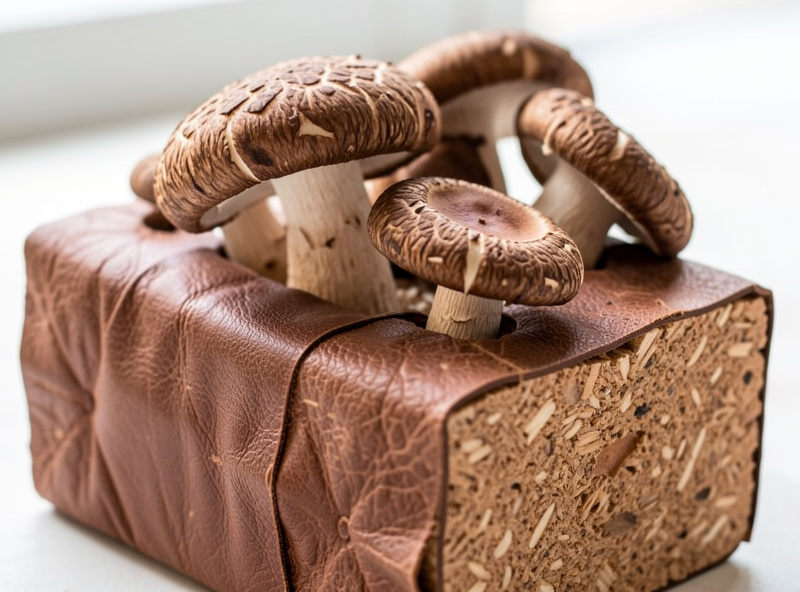
A lot longer, and the difference is structural, not incidental. Oyster colonizes a substrate in 10 to 14 days and fruits two to three weeks after that — call it a month from spawn to plate. Shiitake colonizes in a few weeks too, but then it has to brown over: the white mycelium on the block’s surface hardens into a leathery, chocolate-colored skin, and only once that browning is well advanced will the block fruit properly. That phase stretches the indoor timeline to two to three months, sometimes more.
That browning is non-negotiable, and rushing it is the classic mistake — mine included. The skin is the block’s rind and its trigger; fruit before it’s ready and you get a weak, sparse flush and a block that never really hits its stride. Oyster asks for none of this patience, which is exactly why it tops the most forgiving species list. If speed is your whole priority, shiitake is the wrong species — and I ranked the genuinely quick ones in the fastest gourmet mushrooms from spawn to harvest.
Difficulty: The Browning Phase That Trips People Up
Shiitake isn’t technically harder than oyster in the lab sense — the sterile chain is the same, and if anything a well-supplemented shiitake block colonizes cleanly. What’s hard is the judgment and the waiting. You have to read the block: is that browning even and mostly complete, or is it patchy and premature? Are those pins the block genuinely ready, or aborts from a soak you triggered too early? Oyster gives you obvious, fast, unambiguous signals; shiitake makes you interpret a slow, subtle one.
The leathery skin is oddly satisfying to handle once you know it — firm, slightly pliant, like tanned hide, and it should give off a clean, earthy, faintly sweet smell. A sour reek means bacterial trouble, same as any block. This interpretive skill is the whole difference: oyster is a beginner’s confidence-builder, shiitake is where you learn to trust the block instead of the calendar. It’s the same species-to-skill ladder I walk through in oyster vs lion’s mane — each rung asks a little more.
Yield Over Time: The Sprinter vs the Marathoner
Here’s where the comparison gets interesting, because “yield” depends on your time horizon. In the first month, oyster crushes shiitake — oyster’s biological efficiency runs 75 to 150% or more and it’s already on its second flush while your shiitake block is still browning. Measured over six months, the picture shifts: a shiitake block, once it starts, fruits in strong discrete flushes that you trigger with a cold-water soak, and it keeps producing far longer than an oyster block, which typically gives two to four flushes and is spent.
Logs change the math entirely. Cornell’s Small Farms Program has documented outdoor log-grown shiitake fruiting for four to six years off a single inoculated oak log (Cornell Small Farms). That’s a yield timescale oyster can’t touch — you inoculate once and harvest for years. So if “yield” means “most food this month,” oyster; if it means “most food per unit of long-term effort,” shiitake logs are extraordinary. For pure per-block volume on a short cycle, oyster still leads, which is why it anchors my highest-yielding mushrooms guide.
Effort: Cold-Shocking, Soaking, and Fruiting Windows
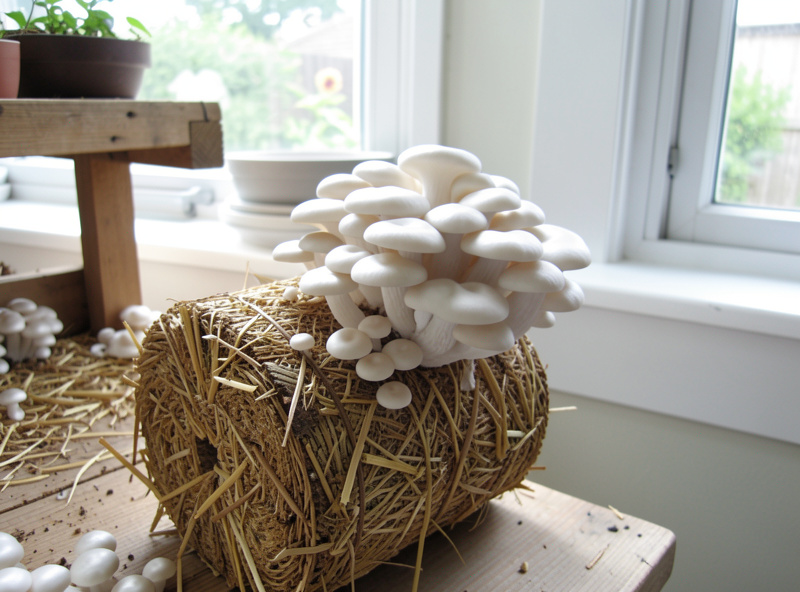
Oyster is nearly hands-off between flushes — keep the humidity up, keep fresh air moving, mist, harvest. Shiitake asks for a ritual. After a flush, the block rests and re-accumulates energy; to trigger the next flush you shock it, typically a cold-water soak for several hours to a day, which mimics the temperature drop and rain that cues fruiting in the wild. For logs, the same principle applies — a full-immersion soak in cold water triggers a synchronized flush a week or so later.
That’s more work than oyster, but it’s also more control: you can more or less schedule shiitake flushes, whereas oyster fruits when it fruits. Penn State Extension has good public material on the biology behind these fruiting triggers if you want to understand the why (Penn State Extension). The gear differs too — for logs I run hardwood dowel spawn hammered into drilled oak and sealed with wax; for the bench I run supplemented sawdust blocks sterilized in the pressure canner. Oyster needs none of that log infrastructure.
Flavor and Kitchen Use
This is where shiitake earns its patience. Its flavor is deep, savory, almost meaty — loaded with the glutamates and guanylates that read as pure umami, especially concentrated when you dry and rehydrate it. A dried shiitake stock is a different league from anything oyster gives you. Oyster is a fine, versatile mushroom — great crisped hard in a hot pan, quick in a stir-fry, mild and adaptable — but it’s a supporting player where shiitake is the lead.
Texture splits them too: shiitake caps stay firm and toothsome even after long cooking, while oyster goes tender and can turn slippery if you crowd the pan. If flavor intensity is what you’re chasing, shiitake wins decisively — that’s most of why growers put up with the wait.
Logs vs Blocks: Shiitake’s Outdoor Option
One more axis oyster doesn’t really have: shiitake shines outdoors on logs. Inoculate freshly cut hardwood — oak is the classic — with dowel or sawdust spawn, stack the logs in the shade, wait a year for full colonization, and then soak-trigger flushes for years. It’s low-tech and deeply satisfying, the natural crossover for anyone already working the garden. Oyster can be grown on logs or outdoor straw too, but it doesn’t reward the multi-year log investment the way shiitake does.
If you’ve got a shady corner and a few oak rounds from a fallen tree, shiitake logs are one of the best mushroom projects there is — set-and-forget productivity that makes the browning-phase patience feel trivial in hindsight.
Which Should You Grow?
Grow oyster if you want mushrooms fast, want forgiveness while you learn, or want maximum yield on a short cycle. Grow shiitake if you want the deepest flavor, are willing to wait two to three months on a block for it, and value a producer that keeps giving for months (block) or years (logs). Honestly, the right answer for most growers is both: run oyster for the steady weekly food and reps, and start a shiitake block or a stack of inoculated logs in parallel so that by the time you’re bored of oyster, the shiitake is browning over and about to reward your patience. The next fork worth reading, once you’ve grown a few Pleurotus, is the one between two mushrooms that share the oyster name but behave nothing alike — king oyster vs pearl oyster.
Is shiitake harder to grow than oyster?
Shiitake is harder in patience, not lab technique. Oyster fruits two to three weeks after colonization, while a shiitake block must colonize and then brown over two to three months before it fruits. The sterile chain is similar, but shiitake demands you read the block and wait rather than follow the calendar.
Which yields more, shiitake or oyster?
Over a short cycle oyster yields more, with 75 to 150 percent biological efficiency and multiple fast flushes. Over months a shiitake block keeps producing far longer, and outdoor shiitake logs can fruit for four to six years. Oyster wins on speed, shiitake on long-term total.
How do you trigger a shiitake block to fruit again?
You shock it. After a flush the block rests, then a cold-water soak for several hours to a day mimics the temperature drop and rain that cue fruiting in nature, triggering the next flush about a week later. The same immersion soak works for shiitake logs.
Why won’t my shiitake block fruit?
Most likely it has not finished browning. Shiitake will not fruit properly until the surface mycelium hardens into a leathery chocolate-brown skin, which takes two to three months indoors. Rushing it before browning is complete gives a weak first flush. Wait for even, well-developed browning before soaking.
Does shiitake or oyster taste better?
Shiitake has a deeper, meatier, more umami-rich flavor, especially when dried and rehydrated for stock, and its caps stay firm after cooking. Oyster is milder and more versatile but a supporting player by comparison. For flavor intensity most cooks prefer shiitake.